
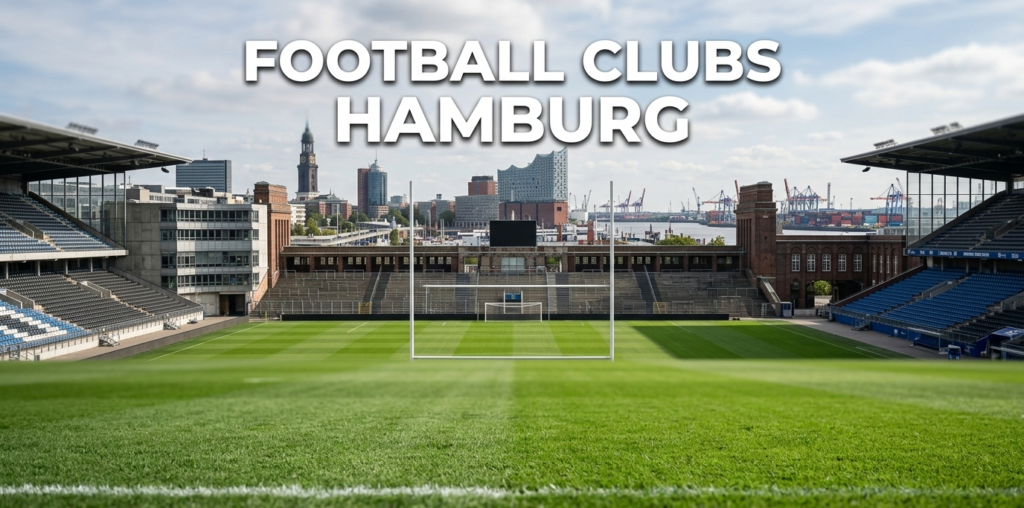
Hamburg, Germany’s second-largest city, is home to a vibrant and historic football culture. Known for its maritime heritage, diverse population, and passion for sport, Hamburg has developed a strong football identity that spans professional, semi-professional, and grassroots levels. Football clubs Hamburg not only entertain fans but also play a significant role in community development, youth training, and international recognition.
This comprehensive guide explores the history, major clubs, youth systems, stadiums, local rivalries, and the future of football in Hamburg.
The History of Football in Hamburg
Football arrived in Hamburg in the late 19th century, influenced by English merchants and sailors who introduced the sport to port cities across Germany. Early clubs formed in neighborhoods, schools, and workplaces, gradually organizing leagues and competitions.
The growth of football in Hamburg mirrored the city’s economic development, with clubs becoming symbols of local pride. Over time, Hamburg became one of Germany’s major football centers, producing players who achieved national and international acclaim.
Major Football Clubs Hamburg
Several clubs in Hamburg have achieved national and international recognition, contributing to the city’s football legacy.
1. Hamburger SV (HSV)
Founded in 1887, Hamburger SV is one of Germany’s oldest and most prestigious football clubs. HSV has a rich history in the Bundesliga and European competitions, including:
Bundesliga championships
DFB-Pokal victories
European Cup success
Key highlights of HSV:
Known as the “Dino” of German football for being the only club to play in the Bundesliga continuously until 2018
Home ground: Volksparkstadion, one of Germany’s iconic stadiums
Strong youth academy producing professional talent
HSV is not only a football institution but also a cultural icon representing Hamburg’s sporting tradition.
2. FC St. Pauli
FC St. Pauli is world-renowned for its unique fan culture and strong political and social identity. Founded in 1910, the club has:
Competed in the Bundesliga and 2. Bundesliga
Developed a strong following for its community activism
Promoted diversity, inclusion, and social responsibility
Key highlights of FC St. Pauli:
Millerntor-Stadion is famous for its passionate atmosphere
Known for unconventional fan traditions, social campaigns, and music festivals
Youth programs focused on both football development and social education
3. Other Notable Hamburg Clubs
SC Victoria Hamburg – Historic amateur club with a strong local community presence
Altona 93 – One of Germany’s oldest clubs, contributing significantly to regional football development
Hamburger SV II – Reserve team of HSV, focused on nurturing young talent
These clubs contribute to Hamburg’s rich football ecosystem, ensuring competitive opportunities at all levels.
Football Culture and Community Impact
Football clubs Hamburg are deeply integrated into local communities. They promote:
Youth development programs
School and grassroots football initiatives
Community engagement and social responsibility campaigns
Inclusion of women’s and girls’ football
Grassroots clubs in Hamburg serve as community hubs where families, schools, and local organizations come together. They offer opportunities for physical activity, skill development, and social cohesion.
Youth Development in Hamburg Football
Youth development is central to the success and sustainability of Hamburg football clubs. Programs across the city focus on:
Age-group training from under-7 to under-19
Professional coaching certifications
Talent identification and academy pathways
Integration of educational support alongside football training
HSV, FC St. Pauli, and other clubs have produced players who advanced to top German and European teams. The city is recognized as a hub for nurturing future talent.
Women’s Football in Hamburg
Women’s football has grown steadily, with Hamburg clubs offering competitive opportunities for female athletes:
Youth girls’ teams across multiple age levels
Senior women’s teams competing in regional and national leagues
Social campaigns promoting equality and participation
The growth of women’s football strengthens Hamburg’s overall football culture and community engagement.
Stadiums and Facilities
Hamburg is home to several iconic football venues:
Volksparkstadion (HSV) – Modern stadium with 57,000+ capacity
Millerntor-Stadion (FC St. Pauli) – Known for its intimate atmosphere and vibrant fan culture
Altona 93 and SC Victoria grounds – Grassroots and semi-professional facilities
Investments in stadium modernization, training facilities, and community programs ensure clubs maintain high standards for players and fans alike.
Local Rivalries
Rivalries define Hamburg football and create intense matchday atmospheres:
HSV vs FC St. Pauli – Known as the Hamburg Derby, it is one of the most famous and socially significant derbies in Germany
Altona 93 vs SC Victoria Hamburg – Historic local rivalry contributing to grassroots excitement
Derby matches draw large crowds and showcase Hamburg’s football heritage and passionate supporters.
The German Football Pyramid and Hamburg Clubs
Clubs in Hamburg compete at multiple levels:
Bundesliga and 2. Bundesliga: Professional top-tier and second-tier clubs (HSV, FC St. Pauli)
Regionalliga and Oberliga: Semi-professional and reserve teams
Local leagues: Amateur and grassroots competitions
The pyramid allows clubs to develop players, gain promotion, and maintain competitive opportunities at all levels.
Challenges Facing Hamburg Football Clubs
Despite strong traditions, Hamburg clubs face challenges:
Financial pressures, especially for smaller clubs
Competition for young talent from other German cities
Maintaining modern infrastructure for both professional and community teams
Balancing commercial ambitions with social responsibilities
HSV and FC St. Pauli have successfully managed these challenges through strategic investments, fan engagement, and strong club identities.
Future of Football in Hamburg
The future of football clubs Hamburg looks promising:
Continued investment in youth academies
Expansion of women’s football programs
Stadium modernization and fan experience enhancements
Integration of digital platforms and social media engagement
Hamburg aims to maintain a balance between professional success and grassroots development, ensuring football remains accessible and relevant.
Why Football Clubs Hamburg Matter
Football clubs Hamburg are important for multiple reasons:
Represent local identity and pride
Foster youth development and social cohesion
Offer professional and semi-professional career pathways
Promote inclusion and equality through football programs
Contribute to the city’s cultural and social fabric
For residents and supporters, football is a central part of Hamburg’s lifestyle and community spirit.
Conclusion
Football clubs Hamburg are more than just sports teams—they are cultural institutions, community hubs, and development platforms for future talent. From world-famous clubs like Hamburger SV and FC St. Pauli to grassroots and semi-professional teams, football in Hamburg continues to thrive.
With a focus on youth development, women’s football, stadium modernization, and community engagement, Hamburg is well-positioned to maintain its status as one of Germany’s most important football cities. The city’s passion for the game, combined with strong club structures, ensures a bright future for both players and supporters.