
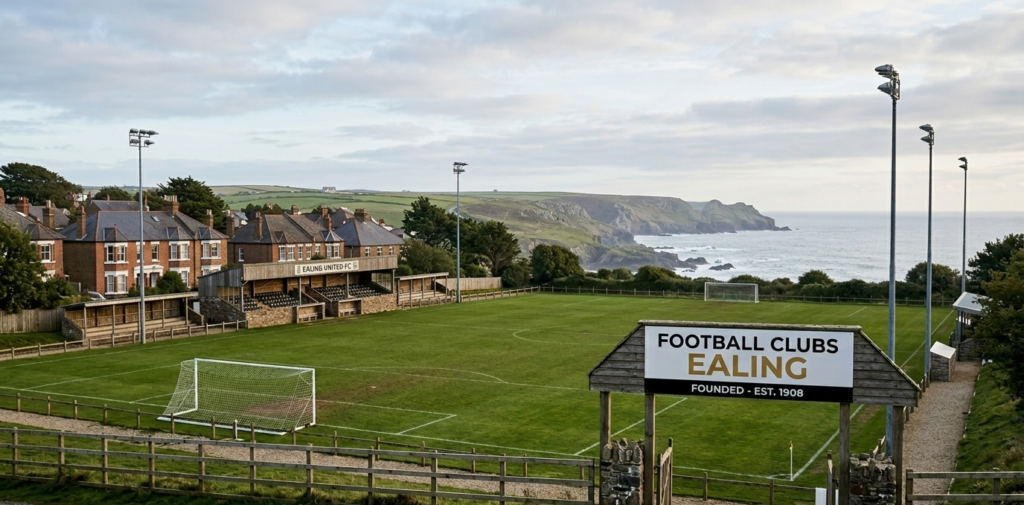
Football clubs Ealing represent one of West London’s most active and community-driven football scenes. Located in the London Borough of Ealing, this diverse and vibrant area has built a strong sporting culture that blends grassroots development, semi-professional competition, youth academies, and inclusive community programs.
While Ealing may not host a Premier League giant, the borough plays a vital role in London’s football ecosystem. From historic non-league sides to youth development programs shaping future talent, football clubs in Ealing continue to grow in influence and participation.
In this in-depth guide, we explore the history, major clubs, youth systems, facilities, leagues, and the future of football clubs Ealing.
The Growth of Football in Ealing
Football in Ealing developed alongside the rapid expansion of West London during the late 19th and early 20th centuries. As residential neighborhoods expanded, schools, churches, and local organizations began forming football teams.
Over time, these local teams evolved into structured clubs competing in regional and national leagues. Today, football clubs Ealing reflect the borough’s multicultural identity, providing opportunities for players of all ages and backgrounds.
The borough’s strong transport links and proximity to central London have helped attract players, coaches, and volunteers from across the capital.
Major Football Clubs Ealing
Ealing is home to several respected football clubs competing at different levels of English football.
Hanwell Town F.C.
Hanwell Town is one of the most well-known football clubs in Ealing. Founded in 1920, the club competes within the Southern League system and has built a reputation for consistency and community support.
The club plays at Reynolds Field and has enjoyed success in cup competitions, including notable FA Cup appearances. Hanwell Town represents the semi-professional ambition within football clubs Ealing.
Key highlights:
Competing in Step 4/Step 3 levels of the English football pyramid
Strong youth integration
Loyal local fanbase
Southall F.C.
Southall FC is another historic name among football clubs Ealing. Founded in 1871, Southall has a long football tradition and has competed in various non-league competitions throughout its history.
The club has experienced periods of success and rebuilding, maintaining a strong presence in West London football circles.
North Greenford United F.C.
North Greenford United is based in the northern part of the borough and has competed in the Combined Counties League and other regional competitions.
The club plays an important role in youth football development and provides structured football opportunities for aspiring players within Ealing.
Grassroots Football in Ealing
One of the strongest aspects of football clubs Ealing is grassroots participation.
The borough features:
Weekend youth leagues
School football tournaments
Sunday league competitions
Community coaching programs
Girls’ and women’s football teams
Grassroots football provides a foundation for talent development and ensures football remains accessible to families across Ealing.
Many local clubs operate under FA guidelines, focusing on safe, inclusive, and structured coaching environments.
Youth Development and Academies
Youth systems are the backbone of football clubs Ealing.
Clubs across the borough offer:
Under-7 to Under-18 teams
FA-qualified coaching staff
Player pathway programs
Talent identification and trials
Because Ealing is located near professional academies in London, talented players often progress into higher-tier clubs while beginning their journeys locally.
Youth football in Ealing emphasizes:
Technical skills
Teamwork
Discipline
Sportsmanship
This focus ensures sustainable growth and long-term competitiveness.
Women’s and Girls’ Football in Ealing
Women’s football has grown significantly across London, and football clubs Ealing are actively contributing to this expansion.
Several local clubs now operate girls’ teams and women’s squads competing in regional leagues. Participation has increased due to:
Greater media coverage
FA support programs
School initiatives
Community engagement campaigns
The growth of women’s football strengthens the overall football structure in Ealing.
Facilities and Stadiums
Football clubs Ealing benefit from a variety of local facilities, including:
Reynolds Field (Hanwell Town)
Rectory Park
Berkeley Fields
Local council-managed pitches
The borough invests in:
Artificial turf pitches
Floodlighting
Changing room upgrades
Community sports centers
Access to quality facilities is essential for development, training, and matchday experiences.
The English Football Pyramid and Ealing Clubs
Most football clubs Ealing compete in non-league tiers of the English football pyramid. These include:
Southern League
Combined Counties League
Middlesex County League
Amateur and Sunday leagues
Non-league football plays a vital role in English football culture. It provides competitive opportunities while maintaining community identity.
Although promotion to the English Football League remains challenging, structured progression pathways allow ambitious clubs to climb step by step.
Community Impact of Football Clubs Ealing
Football clubs Ealing are deeply embedded in local communities.
They contribute through:
Youth mentoring programs
Charity events
Cultural festivals
Health and fitness initiatives
Volunteer engagement
In a diverse borough like Ealing, football acts as a unifying force. Clubs bring together people from different cultural and ethnic backgrounds, strengthening social cohesion.
Matchdays often feel welcoming and family-oriented, reflecting grassroots football traditions.
Challenges Facing Football Clubs Ealing
Despite progress, football clubs Ealing face certain challenges:
1. High Operating Costs
London-based clubs often deal with higher rental and maintenance expenses.
2. Competition for Talent
Proximity to larger professional academies creates competitive pressure.
3. Limited Space
Urban development reduces available land for new pitches.
4. Financial Sustainability
Sponsorship and funding remain crucial for long-term growth.
However, strong community engagement and strategic planning continue to support development.
The Future of Football Clubs Ealing
The future of football clubs Ealing looks promising.
Key areas of growth include:
Investment in youth academies
Expansion of women’s football
Enhanced digital marketing and online presence
Improved stadium infrastructure
Greater community partnerships
With continued grassroots strength and semi-professional ambition, Ealing can remain a strong football hub within West London.
Why Football Clubs Ealing Matter
Football clubs Ealing matter because they:
Provide structured sporting opportunities
Promote health and teamwork
Build community identity
Support youth development
Encourage diversity and inclusion
They represent the heart of local football — where passion outweighs commercial pressure and community spirit remains central.
Conclusion
Football clubs Ealing are an essential part of West London’s sporting landscape. From semi-professional clubs like Hanwell Town to grassroots youth programs across the borough, football continues to thrive in Ealing.
The borough’s commitment to inclusivity, youth development, and community engagement ensures that football will remain strong for future generations.
Whether you are a player, parent, volunteer, or supporter, exploring football clubs Ealing offers insight into one of London’s most active grassroots football communities.