
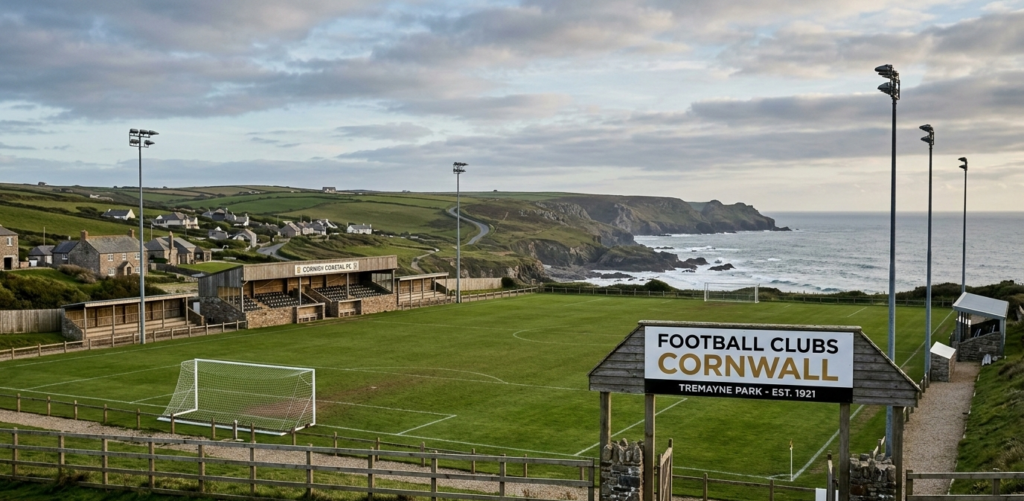
Football clubs Cornwall represent more than just weekend matches and league tables. They are part of the county’s cultural identity, deeply rooted in local communities, historic towns, and coastal pride. From semi-professional teams competing in the English football pyramid to grassroots village sides nurturing young talent, football clubs in Cornwall continue to shape sporting life in the South West of England.
In this comprehensive guide, we explore the history, structure, major teams, local rivalries, youth development, and the growing future of football across Cornwall.
The History of Football Clubs in Cornwall
Football arrived in Cornwall in the late 19th century, spreading quickly through mining communities, fishing towns, and industrial areas. As organized competitions developed across England, Cornish teams began forming local leagues to provide structured competition.
Over time, football clubs Cornwall evolved into a mix of amateur, semi-professional, and youth academies. Despite the county’s rural geography and distance from major metropolitan centers, the passion for football has always remained strong.
Cornwall has traditionally been known for rugby union dominance, but football has steadily grown, particularly at grassroots and non-league levels.
Major Football Clubs Cornwall
While Cornwall does not currently have a Premier League club, it boasts several respected and competitive teams playing within the English non-league system.
1. Truro City F.C.
Often considered the most prominent football club in Cornwall, Truro City has made history by becoming the first Cornish club to reach higher levels of the English football pyramid.
Founded in 1889, the club has achieved multiple promotions over the years and competes in the National League system. Truro City’s rise has significantly increased national attention toward football clubs Cornwall.
Key highlights:
FA Trophy appearances
Promotion to the National League South
Strong local fanbase
Investment in infrastructure
Truro City’s ambition symbolizes the growing competitiveness of Cornish football.
2. Falmouth Town A.F.C.
One of the most historic football clubs Cornwall, Falmouth Town was established in 1946 and competes in regional leagues. The club has won multiple Cornwall Senior Cup titles and plays a key role in community engagement.
Falmouth’s coastal identity and strong youth programs make it an essential pillar of football in Cornwall.
3. Bodmin Town F.C.
Bodmin Town has enjoyed periods of dominance in the South West Peninsula League. The club is known for producing competitive squads and maintaining a loyal supporter base.
Achievements include:
Multiple league championships
Strong FA Vase campaigns
Consistent top-table finishes
4. Mousehole A.F.C.
Mousehole AFC has recently gained popularity due to ambitious ownership and stadium improvements. The club plays in the Southern League system and has attracted attention for its modern approach and community-driven philosophy.
Mousehole represents the new generation of football clubs Cornwall blending tradition with innovation.
The English Football Pyramid and Cornwall
Football clubs Cornwall primarily compete within:
Southern League Division One South
Western League
South West Peninsula League
Cornwall Combination League
St Piran League
Because Cornwall is geographically isolated, travel costs and logistics present challenges. However, clubs have adapted through strong local rivalries and regional competition formats.
The dream for many supporters is to see a Cornish club reach the English Football League (EFL). While challenging, gradual progress shows it may not be impossible in the long term.
Community Impact of Football Clubs Cornwall
One of the defining characteristics of football clubs Cornwall is community involvement.
Unlike top-tier professional clubs, Cornish teams operate as community hubs. They provide:
Youth academies
School partnerships
Charity events
Volunteer opportunities
Local business partnerships
Matchdays often feel like social gatherings rather than commercial spectacles. Families, friends, and generations of supporters attend games together, strengthening local bonds.
Football clubs in Cornwall are not just teams — they are cultural institutions.
Youth Development in Cornwall
Youth development is central to the future of football clubs Cornwall.
Many clubs operate:
Under-7 to Under-18 teams
FA-certified coaching programs
Talent identification pathways
Women’s and girls’ teams
Although elite academies are more common in larger cities, Cornish clubs focus on grassroots training and community access. Talented players often progress to clubs outside the county while maintaining pride in their roots.
Investing in youth is essential for the long-term sustainability of football in Cornwall.
Women’s Football in Cornwall
Women’s football has grown significantly across the UK, and Cornwall is no exception.
Several football clubs Cornwall now field women’s teams competing in regional leagues. Increased media coverage, grassroots funding, and school participation have accelerated growth.
The expansion of women’s football strengthens the county’s overall sporting landscape and creates new opportunities for aspiring players.
Stadiums and Facilities
Cornish football grounds vary from traditional village pitches to modern stadium upgrades.
Notable venues include:
Treyew Road (Truro City’s former home ground)
Bickland Park (Falmouth Town)
Priory Park (Bodmin Town)
Facilities are continuously improving thanks to community fundraising, sponsorship, and private investment.
Modernization focuses on:
Improved seating
Floodlighting
Artificial training pitches
Enhanced fan experiences
Infrastructure growth is vital if football clubs Cornwall aim to climb higher in the football pyramid.
Local Rivalries
Rivalries add excitement and identity to football clubs Cornwall.
Popular derby matches include:
Truro City vs Falmouth Town
Bodmin Town vs Falmouth Town
West Cornwall derbies featuring Mousehole AFC
These matches attract large crowds and passionate support. Rivalries are friendly yet intense, reflecting pride in towns and communities.
Challenges Facing Football Clubs Cornwall
Despite passion and progress, several challenges remain:
1. Geographic Isolation
Long travel distances increase operational costs.
2. Financial Constraints
Smaller populations limit commercial revenue compared to metropolitan clubs.
3. Player Retention
Talented players often move to larger clubs outside Cornwall.
4. Media Coverage
Limited national exposure reduces sponsorship opportunities.
However, strong community backing and strategic development plans help mitigate these obstacles.
The Future of Football Clubs Cornwall
The future looks promising.
Key growth areas include:
Increased investment
Youth development pathways
Stadium modernization
Women’s football expansion
Digital marketing and online fan engagement
With continued ambition, football clubs Cornwall can strengthen their presence in the national football landscape.
Truro City’s progression shows that Cornish clubs can compete beyond regional boundaries.
Why Football Clubs Cornwall Matter
Football clubs Cornwall matter because they represent:
Local identity
Community unity
Sporting ambition
Youth opportunity
Cultural heritage
In a region famous for its coastline, mining history, and rugby traditions, football continues to carve its own legacy.
For supporters, football in Cornwall is not about global fame — it is about belonging.
Final Thoughts
Football clubs Cornwall embody resilience, passion, and community spirit. While they may not yet dominate English football headlines, their importance within local communities cannot be overstated.
From historic clubs like Truro City and Falmouth Town to ambitious modern teams like Mousehole AFC, Cornish football continues to evolve.
As facilities improve, youth systems expand, and investment grows, the dream of seeing a Cornish club rise even higher in the football pyramid becomes increasingly realistic.
If you are passionate about grassroots football, regional pride, and authentic matchday experiences, exploring football clubs Cornwall offers a unique and rewarding perspective on English football