
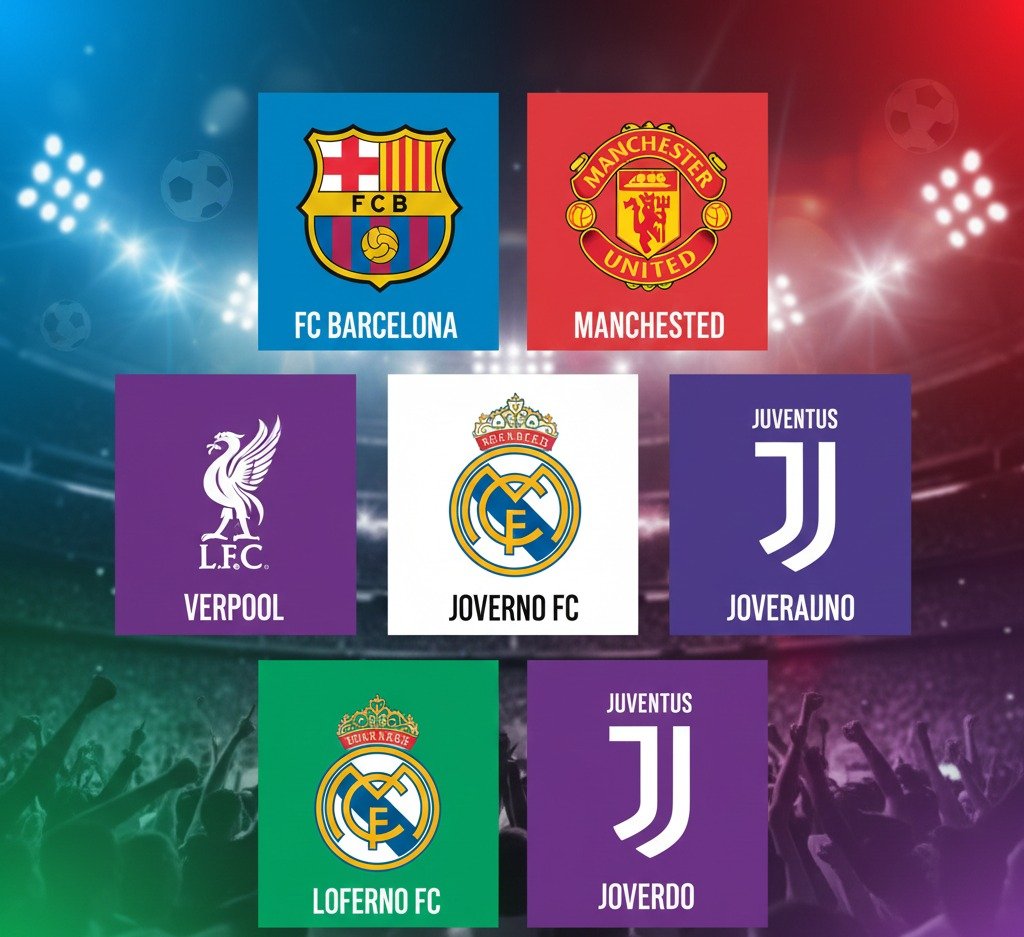
Football is more than a game; it is a global culture that brings together millions of fans. At the heart of every football club’s identity are its name and logo. Together, they define a club’s brand, reflect its history, and connect with fans emotionally. In this comprehensive guide, we explore the importance of football club names and logos, their evolution, design principles, iconic examples, and how they contribute to fan engagement and marketing success.
Why Football Club Names and Logos Matter
Football club names and logos are not merely decorative elements—they are central to a club’s identity and branding.
Identity and Recognition
A club’s name and logo instantly convey who they are. Fans can recognize their team on jerseys, merchandise, and in media coverage.
Emotional Connection
These symbols evoke pride, loyalty, and passion. Fans feel a sense of belonging when they see their club’s name or logo.
Marketing and Commercial Impact
Club names and logos are essential for sponsorships, merchandising, social media, and digital campaigns. Strong branding can generate significant revenue.
Historical Significance
Logos often reflect a club’s origins, cultural heritage, or city landmarks. The combination of name and logo tells a story.
Key Elements of Football Club Logos
A well-designed logo combines several key elements to convey identity:
Colors
Colors evoke emotions and symbolize the club’s values. Common choices include:
Red: Passion, energy, and determination
Blue: Loyalty, trust, and stability
Green: Growth, harmony, and success
Black/White: Tradition, elegance, and simplicity
Shapes
Shields: Represent strength, tradition, and defense
Circles: Symbolize unity, continuity, and global appeal
Animals/Mascots: Lions, eagles, and wolves convey courage and determination
Typography
Fonts must be readable and reflect the club’s character. Traditional serif fonts suggest history, while modern sans-serif fonts indicate innovation.
Symbols and Icons
Footballs: Represent the sport directly
Stars: Indicate championships and achievements
City Landmarks: Reflect the club’s origins and local pride
Evolution of Football Club Names and Logos
Football club names and logos have evolved over time to reflect changes in culture, branding, and marketing:
Early Years
Names were often based on cities, local landmarks, or athletic associations.
Logos were simple, featuring initials or shields.
Mid-20th Century
Logos incorporated football imagery, mascots, and club colors.
Names became more standardized, often including “FC,” “United,” or “Athletic.”
Modern Era
Minimalist logos for digital and global branding.
Creative and unique names to stand out in competitive leagues.
Integration with merchandising, apps, and social media.
Popular Football Club Names and Their Logos
Below are examples of clubs with iconic names and logos:
FC Barcelona
Name: FC Barcelona
Logo: Shield with red and blue stripes, Saint George cross, and football
Significance: Represents Catalonia’s culture, identity, and football excellence
Manchester United
Name: Manchester United
Logo: Red devil holding a trident in a circular badge
Significance: Symbol of power, success, and a historic football legacy
Real Madrid
Name: Real Madrid CF
Logo: Crowned circular emblem with initials “M” for Madrid
Significance: Represents royal heritage, elegance, and global prestige
Liverpool FC
Name: Liverpool Football Club
Logo: Liver bird inside a shield with club name and “You’ll Never Walk Alone” banner
Significance: Represents the city’s maritime history and passionate fans
Juventus
Name: Juventus FC
Logo: Minimalist black-and-white “J” logo
Significance: Modern and innovative design, while maintaining historical roots
Bayern Munich
Name: FC Bayern Munich
Logo: Red circular badge with blue and white diamond pattern
Significance: Symbolizes Bavarian pride, excellence, and tradition
Principles of Designing Football Club Names and Logos
When creating a name or logo, clubs should follow design principles to ensure effectiveness:
Relevance
The name and logo should reflect the club’s culture, city, and values.
Simplicity
Simple logos are easier to recognize and reproduce on merchandise and digital platforms.
Scalability
Logos must be clear at all sizes, from social media icons to stadium banners.
Memorability
Catchy, unique names and distinctive logos stick in fans’ minds.
Timelessness
Avoid overly trendy elements; a logo should remain relevant for decades.
Football Club Name and Logo Trends
Recent trends in football club branding include:
Minimalist Logos: Clean lines, fewer elements, modern aesthetics
Heritage Emphasis: Incorporating historical symbols or founding year
Mascot-Centric Logos: Using animals or mythical figures as central icons
Digital Optimization: Logos designed for online use, apps, and social media
How Club Names and Logos Influence Fan Culture
The club name and logo shape fan culture in several ways:
Merchandise: Fans buy jerseys, scarves, and accessories with logos
Chants and Slogans: Club name often appears in chants, songs, and banners
Community Pride: Logos and names symbolize regional or city pride
Online Identity: Fans use logos as avatars and profile pictures
A strong logo and memorable name create lifelong supporters.
Common Types of Football Club Names
Football clubs often follow naming conventions:
City/Region-Based Names: Example: Manchester City, Sevilla FC
United/Alliance Names: Example: Newcastle United, Leeds United
Animal/Mascot-Based Names: Example: Wolverhampton Wanderers, Crystal Palace Eagles
Historical or Cultural Names: Example: Real Madrid, Celtic FC
These naming styles help clubs convey identity and heritage.
Tips for Clubs Designing Names and Logos
Research Competitors: Avoid duplication and stand out in the league.
Engage Fans: Include supporters in voting for a new logo or name.
Align with Branding: Name and logo should fit merchandise and social media presence.
Test for Digital Compatibility: Ensure clarity on apps, websites, and screens.
Balance Tradition and Innovation: Respect history while embracing modern trends.
Conclusion
Football club names and logos are more than decorative elements—they are the heart of a club’s identity. From historical roots to modern branding, they reflect culture, passion, and pride. Iconic logos combined with memorable names create emotional connections with fans, enhance marketing opportunities, and leave a lasting impression on global audiences.
For clubs, investing in a well-thought-out name and logo ensures longevity, recognition, and a loyal fan base. Whether you are a fan, designer, or club founder, understanding the importance of football club names and logos is essential to appreciating the beautiful game.