
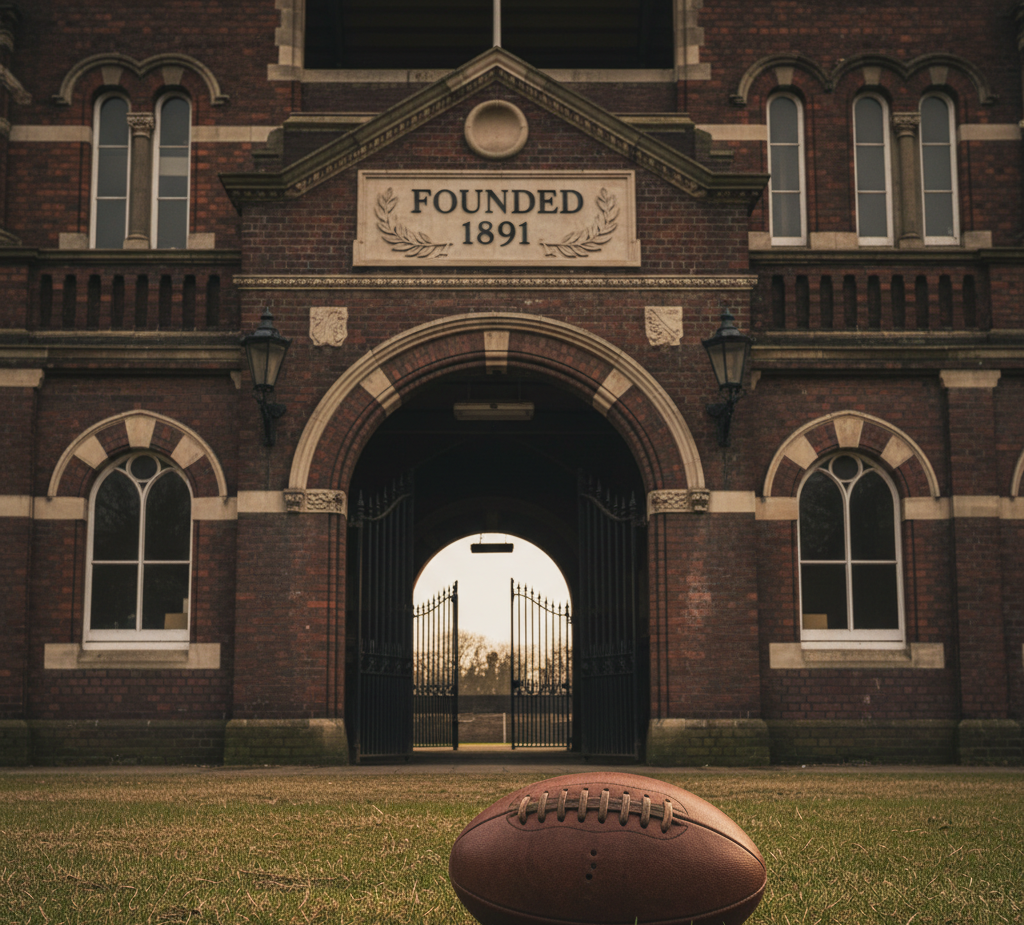
Football has a long and rich history, and many of today’s most iconic teams were formed during the late 19th century. A football club founded 1891 represents more than just a team—it symbolizes tradition, heritage, and over a century of passion for the sport. Clubs established in 1891 have witnessed the evolution of football from its early organized beginnings to the global phenomenon it is today.
In this article, we explore the importance of a football club founded in 1891, its historical background, development through the decades, cultural impact, and continued relevance in modern football.
The Significance of 1891 in Football History
The year 1891 was a pivotal time in football development. The sport was growing rapidly across Europe and other parts of the world. Organized leagues were forming, rules were being standardized, and football was transitioning from a recreational activity into a structured competitive sport.
A football club founded 1891 would have been established during:
The early professionalization of football
The formation of domestic leagues
The development of official competitions and tournaments
The growth of local rivalries and fan culture
Being founded in 1891 means the club is deeply rooted in football’s foundational era.
Early Years and Formation
Most football clubs founded in 1891 began as community initiatives. Local workers, students, or sports enthusiasts gathered to form organized teams. Early matches were often played on open fields with minimal facilities.
During the early years, such clubs typically focused on:
Building a strong local player base
Competing in regional competitions
Establishing club identity through colors, crest, and values
Creating a loyal supporter community
Despite limited resources, passion for the game drove these clubs forward.
Growth Through the 20th Century
As football expanded during the 1900s, clubs founded in 1891 adapted to significant changes in the sport.
League Participation
Many long-established clubs joined formal league systems as they developed. Over time, structured divisions allowed clubs to compete at regional and national levels.
Stadium Development
In the early years, matches were played on basic grounds. However, as popularity increased, clubs built dedicated stadiums, improving facilities for both players and supporters.
Professionalization
The early 20th century saw the gradual introduction of professionalism. Clubs began paying players, hiring coaches, and implementing more advanced training methods.
A football club founded 1891 would have experienced all these transformative phases firsthand.
Club Identity and Tradition
One of the strongest advantages of a historic football club is its identity. Tradition plays a central role in shaping the culture of such teams.
Club Crest and Colors
Over time, many clubs maintained or slightly modified their original crest and team colors. These symbols represent:
Pride and heritage
Historical achievements
Community roots
Supporter Culture
Clubs founded in 1891 often have generations of loyal fans. Families pass down their support through decades, creating a powerful emotional connection to the club.
Rivalries
Historic clubs typically develop intense rivalries with neighboring teams. These rivalries add excitement and tradition to domestic competitions.
Achievements and Competitive Success
While every club’s journey is unique, a football club founded 1891 may have achieved:
Domestic league titles
National cup victories
Promotions and historic campaigns
Memorable performances in regional or international tournaments
Even clubs that have not won major trophies often hold legendary status due to their longevity and contribution to the sport.
Youth Development and Academy Systems
Many historic football clubs prioritize youth development. A club founded in 1891 often builds its reputation on nurturing young talent.
Benefits of Youth Academies
Developing homegrown players
Maintaining financial sustainability
Strengthening community relationships
Preserving club identity
Over decades, academy graduates may become club legends, reinforcing the importance of long-term development strategies.
Community Impact
A football club founded 1891 is often deeply embedded within its community. Such clubs provide more than entertainment; they contribute socially and economically.
Social Contributions
Youth engagement programs
Charity events and fundraising
Educational partnerships with schools
Promoting health and fitness initiatives
Economic Contributions
Job creation
Boosting local businesses on matchdays
Attracting tourism
The relationship between a historic club and its town or city is often inseparable.
Challenges Faced Over the Years
Surviving for over a century is not easy. A football club founded 1891 would have faced numerous challenges, including:
Financial difficulties
World wars and political instability
Changes in football governance
Increased competition and commercialization
Adaptability has been key to maintaining relevance and sustainability over time.
Modern Era and Digital Transformation
In today’s football environment, even historic clubs must evolve. Modern football demands:
Strong digital presence
Social media engagement
Advanced sports science and analytics
Commercial partnerships and sponsorships
A football club founded 1891 now balances tradition with innovation, ensuring it competes effectively in the modern game.
Why Historic Football Clubs Matter
Historic football clubs hold a unique place in the sport. They serve as living reminders of football’s origins and growth.
Cultural Heritage
Such clubs preserve traditions that define football culture.
Inspiration
Young players and fans are inspired by the resilience and longevity of century-old institutions.
Stability
Clubs with deep historical roots often possess strong community backing, which provides long-term stability.
The Global Appeal of Historic Clubs
Football clubs founded in the 19th century often attract international interest due to their rich heritage. Global fans appreciate:
Classic stadium architecture
Traditional club symbols
Historical rivalries
Archival records of legendary matches
This global recognition helps maintain relevance in an increasingly competitive sports market.
Building the Future While Honoring the Past
The key to long-term success lies in balancing tradition with innovation.
A football club founded 1891 must:
Invest in youth development
Upgrade facilities and infrastructure
Strengthen fan engagement
Expand commercial opportunities
Maintain core values and heritage
By respecting its past while embracing progress, such a club ensures continued success.
Conclusion
A football club founded 1891 represents more than just a date of establishment. It symbolizes resilience, tradition, and dedication to the beautiful game. From humble beginnings on local fields to participation in structured leagues and modern competitions, these clubs have witnessed the evolution of football firsthand.
Their legacy is built on community support, historic achievements, youth development, and unwavering passion. As football continues to grow globally, clubs founded in 1891 remain powerful symbols of heritage and continuity in an ever-changing sporting world.
With strong foundations and forward-thinking strategies, a football club founded 1891 is not just a part of football history—it is an active contributor to its future.