
Introduction
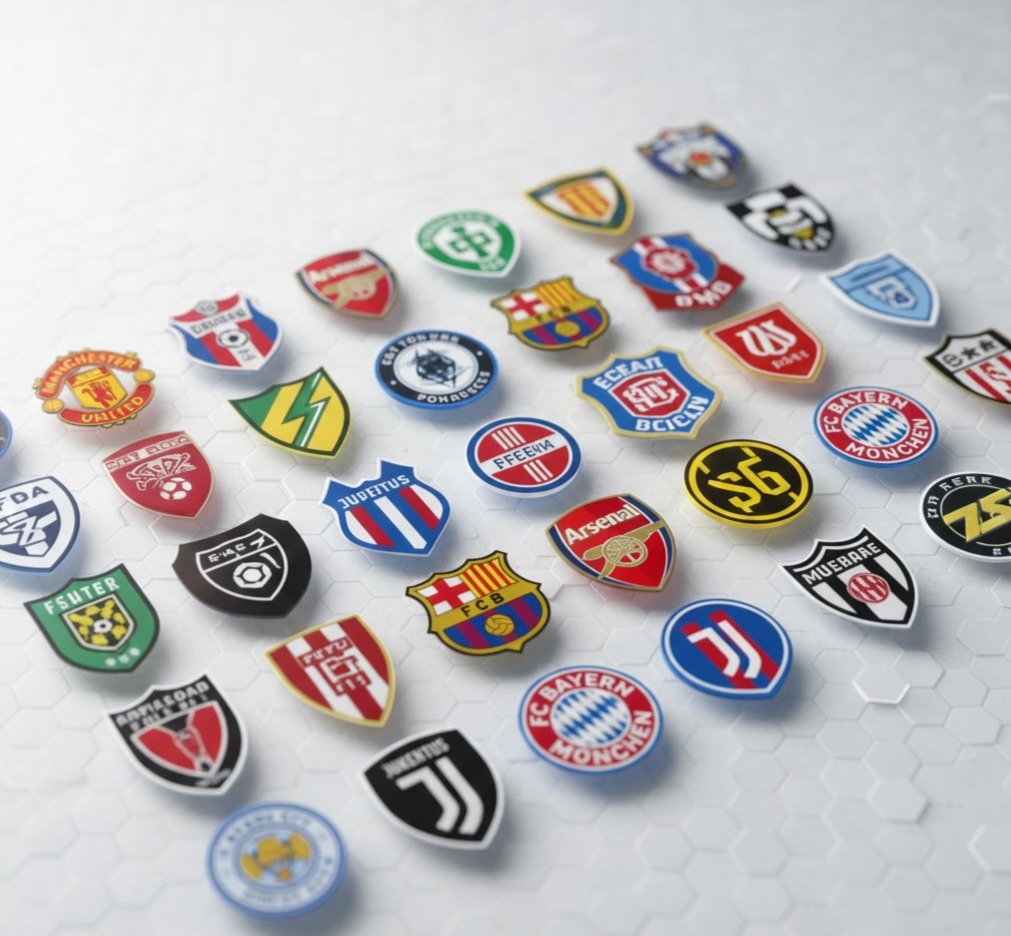
Football is more than a sport — it is culture, identity, loyalty, and emotion. Among the most powerful elements that define a football club are its badge and name. These symbols represent a club’s heritage, community, achievements, and ambitions. For millions of supporters around the world, football club badges and names carry deep meaning, shaping how they connect with their favorite teams.
In this comprehensive article, we explore the evolution of football club names and badges, the symbolism behind these designs, how modern branding has changed football identities, and why these visual elements continue to matter in global football culture. Whether you are a football enthusiast, blogger, or researcher, this guide gives you everything you need to understand the importance of football club badges and names in today’s game.
What Are Football Club Badges and Why Are They Important?
A football club badge (or crest) is the official emblem displayed on team kits, merchandise, stadiums, and communication materials. It is the most recognizable visual identity of a club.
Football club badges serve several important purposes:
Representing Club Identity
The badge reflects a club’s:
History
Values
Geographic roots
Culture
Community
For example, many English clubs include local symbols such as lions, ships, castles, or historical emblems.
Creating Emotional Connection
Fans wear the badge with pride. It appears on:
Jerseys
Scarves
Flags
Stadium banners
Fan groups and ultras material
The badge symbolizes loyalty and unity.
Marketing and Branding
Modern football is a global business. A strong badge:
Boosts merchandise sales
Strengthens global recognition
Enhances visual identity across digital platforms
Helps build a powerful brand
Clubs like Barcelona, Manchester United, Juventus, and Real Madrid have some of the most recognizable badges in the world.
The Evolution of Football Club Names
Football club names are not randomly chosen. They often reflect the club’s origins, founders, or purpose. Names typically fall into a few categories:
Geographic Names
Many clubs are named after their town or region:
Manchester United
Chelsea
Barcelona
Bayern Munich
Napoli
This creates strong local loyalty and identity.
Historical or Cultural Names
Some clubs reference historical elements:
AS Roma (Rome’s ancient heritage)
Celtic (Irish and Scottish cultural connection)
Spartak Moscow (named after the legendary rebel Spartacus)
These names symbolize cultural pride and strength.
Organizational Names
Some teams were founded by companies, workers, or organizations:
Bayer Leverkusen (founded by Bayer pharmaceutical workers)
PSV Eindhoven (Philips company)
West Ham United (Thames Ironworks FC)
These names reflect industrial roots.
Sporting Terms
Many clubs use terms like:
United
City
Rovers
Wanderers
Athletic
Sporting
These reflect club identity and structure.
How Football Club Badges Are Designed
Football club badges often incorporate symbols that represent something specific. Here are the most common elements used in football crests:
Animals
Animals symbolize strength, courage, and agility. For example:
Lion: Chelsea FC, Aston Villa, England National Team
Eagle: Benfica, Lazio
Dragon: Porto
Animals are strong branding elements and often come from historical coats of arms.
City Symbols
Many badges feature recognizable city emblems:
Manchester City uses a ship representing Manchester’s trading history
Real Madrid uses a crown symbolizing royal patronage
Paris Saint-Germain features the Eiffel Tower
These symbols connect clubs to their geographic identity.
Colors
Club colors are essential:
Barcelona’s blue and red
Liverpool’s all red
Juventus’ black and white
Inter Milan’s blue and black
Color psychology plays a strong role in brand recognition.
Shapes and Shields
The traditional shield shape is very common and symbolizes defense, pride, and tradition. Modern clubs sometimes update these shapes to more minimalistic versions.
Text and Initials
Some clubs include:
Full names
Abbreviations (FC, AFC, SC)
Years of establishment
These elements increase historical value.
Why Football Clubs Rebrand Their Names or Badges
Rebranding has become a major trend in modern football. Reasons include:
Modernization
Clubs redesign crests to look more modern and digitally friendly.
Example: Juventus simplified their badge into a minimalistic J-shaped logo.
Global Marketing
Simplified badges help international marketing, merchandise sales, and digital visibility.
Legal and Rights Protection
Some clubs adjust their badges to protect trademarks more effectively.
Fan Engagement
Badges and names are changed to reflect fan culture or celebrate milestones.
Ownership Changes
New owners often rebrand clubs to align with their long-term vision.
Famous Football Clubs with Iconic Badges
Here are some of the most well-known football club badges in world football:
FC Barcelona
Represents Catalan pride
Includes St. George’s Cross
Features traditional club colors
Manchester United
Red devil symbol
Ship from Manchester’s trading heritage
Global icon recognized by millions
Real Madrid
Royal crown symbolizing royal approval
Elegant typography
Strong historical value
Juventus
Modern minimalist badge
Represents bold branding strategy
Black-and-white stripes remain identity markers
Liverpool FC
The Liver Bird: symbol of the city
“You’ll Never Walk Alone” banner
Flame symbol honoring Hillsborough victims
How Badges Strengthen Club Identity in the Digital Age
In modern football, badges are more important than ever. They appear on:
Social media
Branding materials
NFTs and digital merchandise
Video games
Mobile apps
Global TV broadcasts
A strong badge improves:
Brand consistency
Fan recognition
International influence
Commercial partnerships
Modern clubs even redesign badges to look good on smartphones and digital platforms.
The Role of Football Club Names in Global Branding
A strong name helps clubs stand out. Short, memorable names like:
Arsenal
Chelsea
Milan
Roma
Inter
Perform well internationally.
Names influence:
Marketing campaigns
Sponsorship deals
Merchandise visibility
International fanbase growth
Well-structured names combined with strong badges create a powerful global brand identity.
Why Fans Are Emotionally Attached to Badges and Names
Football fans have deep emotional connections to their clubs. The badge and name represent:
Childhood memories
Family traditions
Local pride
Historic victories
Cultural identity
When a club changes its badge, fans often feel strongly — proving how powerful these symbols are.
Conclusion
Football club badges and names are far more than branding elements. They are powerful symbols that represent a club’s history, culture, and identity. From traditional crests filled with historical symbols to modern minimalist designs created for digital audiences, football badges evolve but never lose their emotional value.
As football becomes increasingly global, club names and badges will continue shaping how fans connect with their teams. Whether you support a small local club or a global giant, the badge on the chest and the name behind the team will always remain at the heart of football identity.