
Introduction
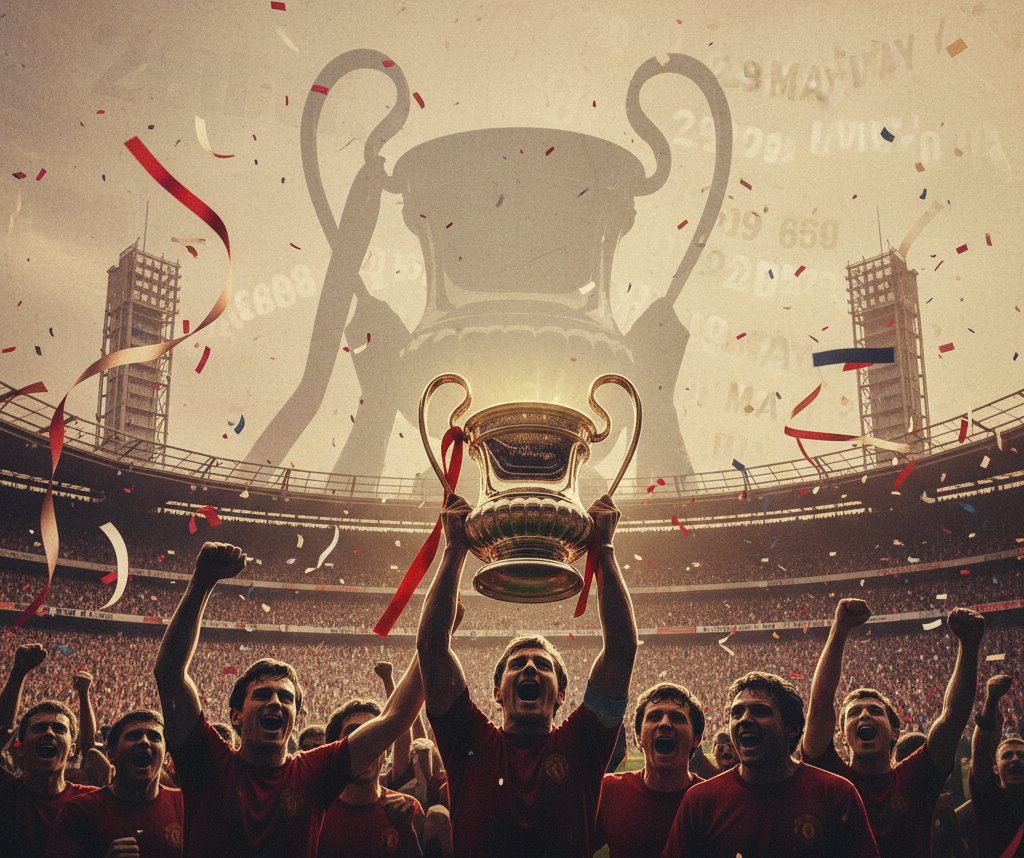
When discussing the history of European football, one milestone stands out as especially significant for English clubs: the moment when an English team first lifted the European Cup. While football fans often speak about this achievement in casual conversation or “informally,” it refers to a real historical accomplishment that changed English football forever. The first English football club to win the European Cup informally—and officially—was Manchester United, who claimed the title in 1968.
This victory was more than just a trophy; it represented resilience, national pride, and the rise of English clubs in European competitions. In this long-form article, we explore the story behind this historic triumph, what “informally” means in contemporary football discussions, the journey of Manchester United under Sir Matt Busby, and how this win shaped English football for decades to come.
Understanding the European Cup and Its Importance
Before diving into the first English winner, it’s important to understand the significance of the European Cup, which is now known as the UEFA Champions League. Established in 1955, the tournament brought together the top clubs from across Europe, creating a highly competitive platform that tested tactical brilliance, squad depth, and footballing philosophy.
By the 1960s, the European Cup was already considered:
The most prestigious club competition in the world
A battleground for national football pride
A stage where tactical revolutions shaped modern football
A platform for legendary managers and iconic players
English clubs were dominant domestically, but success in Europe remained elusive during the early years. While teams such as Wolverhampton Wanderers and Chelsea participated in European competitions, none had managed to conquer the continent—until Manchester United made history.
What Does “Informally” Mean in This Context?
When football fans ask about the first English football club to win the European Cup informally, it often means:
They want a simple, conversational explanation
They are referring to the widely accepted historical fact
They’re exploring the topic without requiring complex details or citations
They are discussing football history in a casual, fan-friendly way
In informal football culture—especially in pubs, social media discussions, and fan debates—Manchester United’s 1968 triumph is frequently recalled as a turning point. The word “informally” simply means “in common football discussions or general conversation.”
Manchester United’s Journey to Becoming the First English European Champions
A Club Rebuilt from Tragedy
Manchester United’s story is uniquely emotional. Less than a decade before their European Cup triumph, the club experienced one of football’s darkest moments: the Munich Air Disaster in 1958. The crash killed 23 people, including eight United players—the legendary “Busby Babes.”
Manager Sir Matt Busby, himself severely injured, vowed to rebuild the team and complete the mission of conquering Europe. This emotional background is one of the key reasons the 1968 victory is so celebrated.
The Rise of the New United
After Munich, Busby rebuilt with:
Bobby Charlton – a survivor of the disaster and a future Ballon d’Or winner
George Best – one of the greatest dribblers in football history
Denis Law – clinical goal scorer and club legend
A mixture of youth products and carefully selected signings
This rebuilt squad was not just strong; it was incredibly dynamic, tactical, and exciting to watch. United became known for:
Fast attacking play
Technical brilliance
Strong teamwork and spirit
Entertaining football that appealed to fans worldwide
Their European ambition remained alive throughout the 1960s.
The Road to the 1968 European Cup Final
Manchester United entered the 1967–68 European Cup season determined and helped by the experience of previous campaigns. Their journey included:
Key Matches
United defeating the likes of Real Madrid – A major landmark in proving English teams could compete with European giants.
Strong performances at Old Trafford – The home crowd created an intimidating atmosphere that lifted the team.
Tactical excellence from Busby – Using wide play, quick transitions, and creative forward movements, United outsmarted opponents.
Their final destination was Wembley Stadium, where they faced Benfica, one of Europe’s top clubs, led by the legendary striker Eusébio.
The Historic 1968 European Cup Final
Match Overview
Date: May 29, 1968
Venue: Wembley Stadium, London
Teams: Manchester United vs Benfica
Final Score: United 4 – 1 Benfica (after extra time)
How the Match Unfolded
First Half:
Both teams played cautiously. United eventually took the lead through Bobby Charlton, who headed in from a cross.Second Half:
Benfica equalized, shaking United’s momentum. The match went into extra time.Extra Time Magic:
This was where Manchester United’s attacking trio came alive.George Best dribbled past the goalkeeper to score
Brian Kidd added another
Charlton scored again to seal victory
United became the first English club to win the European Cup, a moment that is still celebrated as one of the greatest achievements in British football history.
Why Manchester United’s Win Was So Important
Emotional Significance
Winning a decade after the Munich tragedy was a symbol of:
Hope
Strength
Rebirth
The spirit of football
The triumph represented the club rising from unimaginable loss.
Global Recognition of English Football
The win:
Put English football on the European map
Boosted the reputation of the English league
Encouraged more English clubs to take European competition seriously
It paved the way for future English winners like Liverpool, Nottingham Forest, Aston Villa, and Chelsea.
Rise of Sir Matt Busby as a Football Icon
Busby’s achievement made him one of the most respected managers in world football. His philosophy influenced future United managers including Alex Ferguson.
Inspiration for Generations of Players
Both English and European footballers often mentioned United’s 1968 victory as:
A motivational moment
A symbol of resilience
Proof that English clubs could dominate Europe
This laid the groundwork for the competitive nature of English clubs in Europe today.
Legacy of the 1968 European Cup Victory
Even decades later, the legacy lives on:
Manchester United fans still celebrate May 29 as a historic date
The Wembley final remains one of UEFA’s iconic matches
The achievement is often referenced during Champions League broadcasts
It forms part of United’s global identity
The victory also inspired other English teams to pursue European glory, leading to multiple Champions League wins for English clubs over the next decades.
Conclusion
The first English football club to win the European Cup informally—and officially—was Manchester United in 1968. Their victory was not just a sporting achievement but a deeply emotional triumph that symbolized resilience, hope, and the power of football to rebuild after tragedy.
Today, this historic win lives on as one of the most important moments in English football history. Whether discussed informally among fans or highlighted in sports analysis, Manchester United’s 1968 victory remains a powerful chapter in the evolution of European football.