
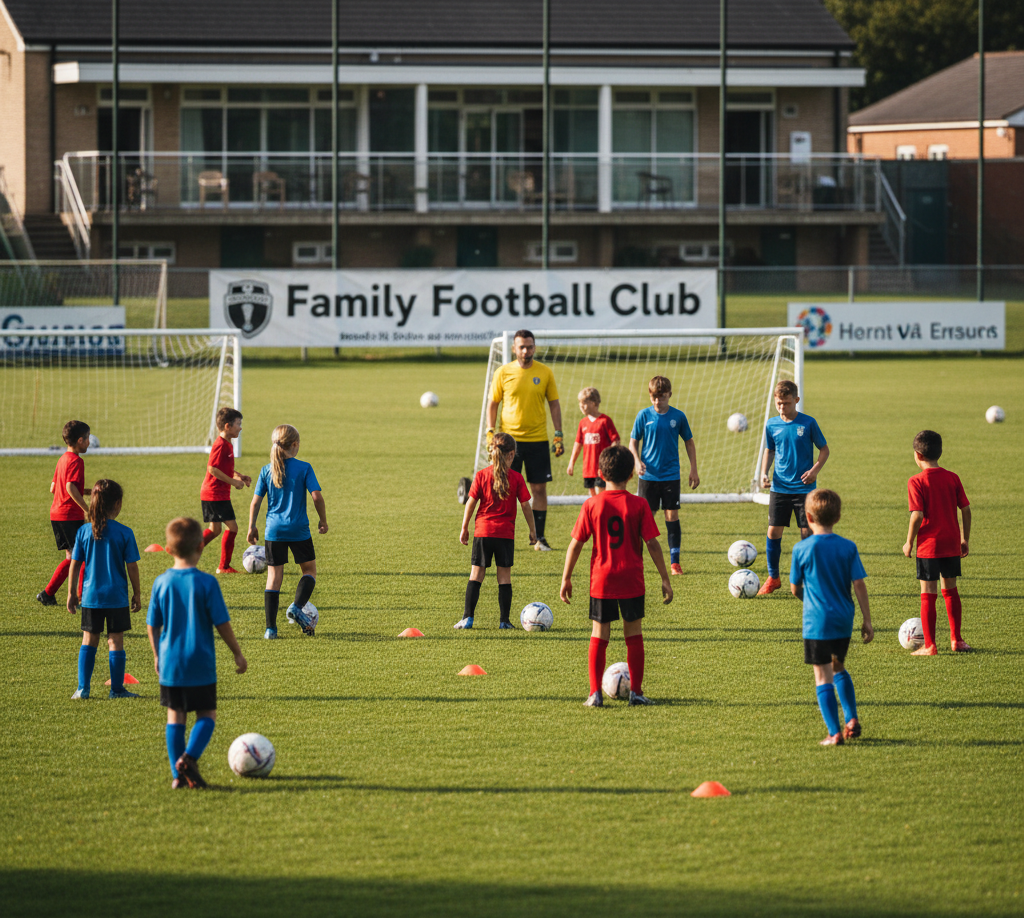
Football has always been more than just a sport; it’s a way to bring people together, create lifelong memories, and build a sense of community. One of the most cherished concepts in grassroots and professional football alike is the family football club. These clubs focus not only on competitive success but also on fostering inclusivity, values, and connections for players and fans of all ages.
From local grassroots teams to semi-professional clubs, family football clubs are redefining what it means to be part of a football organization. They emphasize community engagement, youth development, and a safe, welcoming environment that encourages families to participate together in the sport. In this article, we will explore what a family football club is, the benefits of joining one, how they operate, and why they play a vital role in modern football culture.
What Is a Family Football Club?
A family football club is an organization that prioritizes creating a friendly, inclusive, and supportive environment for all members. Unlike clubs that focus solely on professional achievements, family football clubs place equal importance on:
Youth development programs
Community involvement
Social activities for families
Safe and welcoming environments
These clubs are designed to ensure that football is accessible to everyone, regardless of age, skill level, or background. They are often run with the principle that football can unite people and strengthen social bonds within a community.
Key Features of a Family Football Club
Family football clubs are distinguished by several core features that make them appealing to both players and their families:
1. Youth Development Programs
Youth training programs are at the heart of every family football club. They provide children with structured coaching to develop their skills while instilling essential values such as teamwork, discipline, and sportsmanship.
Programs often include:
Age-appropriate training sessions
School holiday camps
Competitive youth leagues
Mentoring from experienced coaches
By nurturing young talent, these clubs create pathways for players to progress while ensuring they enjoy the game in a supportive environment.
2. Community Engagement
A true family football club is deeply embedded in its community. Clubs often host events such as:
Family fun days
Local tournaments
Charity matches
Social gatherings
Such activities foster a sense of belonging and strengthen ties between the club and the community it serves.
3. Inclusive Environment
Inclusivity is a cornerstone of family football clubs. They welcome:
Players of all skill levels
Girls and boys teams
Adults and seniors
Parents and caregivers
By promoting participation for everyone, the club encourages healthy lifestyles, social cohesion, and lifelong engagement with football.
4. Safety and Support
Family football clubs prioritize safe playing environments. This includes:
Qualified coaches trained in child protection
Well-maintained playing facilities
Health and safety guidelines
Support systems for physical and mental wellbeing
Safety measures give parents confidence that their children are learning and playing in a secure environment.
5. Social Activities
Beyond football, family football clubs offer activities that promote bonding between members, such as:
BBQs and picnics
Movie nights
Club dinners and award ceremonies
Volunteer opportunities
These social events make the club more than a sports organization; it becomes a hub for friendship and community interaction.
Benefits of Joining a Family Football Club
There are numerous advantages to being part of a family football club, whether you are a player, parent, or supporter.
1. Physical Health and Fitness
Regular football participation improves cardiovascular health, strength, coordination, and overall fitness. Family football clubs encourage players of all ages to stay active in a structured and fun environment.
2. Emotional and Social Development
Participation in a family football club helps children and adults develop social skills, resilience, and teamwork. It also fosters confidence and teaches how to handle both victories and defeats with grace.
3. Building Lifelong Friendships
Clubs often become a social hub where players and families form long-term friendships. Regular interactions during training, matches, and social events create a strong sense of community.
4. Inclusive Learning Environment
Players can learn at their own pace without pressure, ensuring enjoyment and steady development. This encourages both recreational players and those aspiring to higher levels of competition.
5. Family Bonding
Family football clubs provide opportunities for parents and children to participate together, attend matches, and support each other. This shared experience strengthens family connections and creates cherished memories.
Structure of a Family Football Club
A family football club typically consists of several organized departments to manage both football and community activities.
1. Coaching and Training
Experienced coaches develop age-specific training plans to improve skills and promote teamwork. Training is often structured but fun, ensuring participants enjoy every session.
2. Administration and Management
Club administrators handle:
Membership registrations
Match scheduling
Facility management
Volunteer coordination
This ensures the club runs smoothly and sustainably.
3. Youth Academies
Youth academies focus on player development from early ages, preparing them for competitive play while instilling club values and sportsmanship.
4. Community and Social Engagement
A dedicated team organizes events, fundraisers, and outreach programs to strengthen the club’s presence within the community.
5. Health and Safety
Dedicated staff oversee first aid, safeguarding policies, and compliance with sports regulations to ensure a safe environment for all members.
Family Football Clubs and Competitive Play
While family football clubs focus on community and inclusivity, many also participate in local or regional leagues. These clubs often have:
Junior teams for children
Adult recreational teams
Competitive teams for semi-professional leagues
This balance allows clubs to provide pathways for players to reach higher levels while maintaining a family-friendly culture.
Examples of Activities in Family Football Clubs
Family football clubs often offer a variety of programs beyond standard football training, such as:
Weekend tournaments for children and adults
Mixed-age games encouraging family participation
Skills workshops and coaching clinics
Charity events connecting the club to local causes
These activities ensure that the club remains dynamic, engaging, and central to community life.
The Importance of Family Football Clubs in Modern Society
Family football clubs play a crucial role in society by:
Promoting physical and mental health
Encouraging teamwork and cooperation
Providing safe recreational spaces
Strengthening community engagement
Supporting youth development
In an era where digital entertainment often dominates, these clubs encourage children and adults to engage physically and socially in meaningful ways.
How to Choose the Right Family Football Club
When selecting a family football club, consider:
Coaching quality and qualifications
Safety measures and facilities
Club culture and values
Opportunities for social and family participation
Community involvement and outreach
Visiting the club, attending a training session, or speaking to existing members can help you find the best fit.
Conclusion
A family football club is more than just a sports team; it is a community institution that brings people together, promotes health, and instills values of teamwork and sportsmanship. These clubs provide a welcoming environment for players, families, and supporters alike, making football accessible, enjoyable, and meaningful for everyone.
By joining a family football club, families can enjoy shared experiences, foster personal development, and create lifelong memories, all while being part of a supportive and passionate football community. Whether at a grassroots or semi-professional level, family football clubs remain vital to the future of the sport, ensuring that football continues to unite people across generations.