
Introduction
The matchup Tottenham vs. Brighton & Hove Albion Football Club has evolved into one of the most intriguing fixtures in English football. In recent seasons, Brighton has transformed from a mid-table side into a dynamic, modern, high-pressing team capable of challenging the Premier League’s traditional powerhouses—including Tottenham Hotspur. This evolution has produced exciting, unpredictable, and data-heavy encounters.
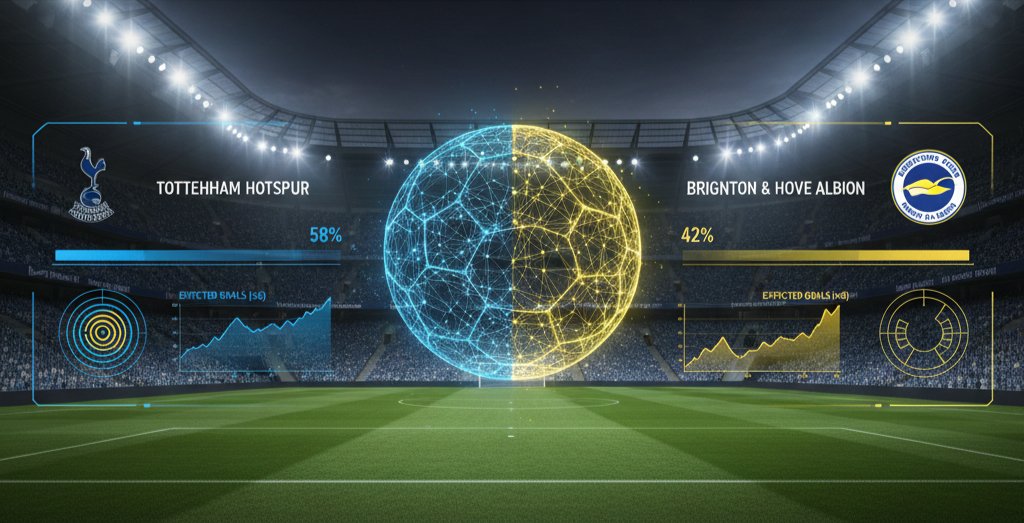
In this comprehensive article, we analyze the statistics of Tottenham vs. Brighton, focusing on head-to-head records, tactical trends, goal data, possession patterns, key players, xG metrics, and recent performances. Whether you follow Tottenham, support Brighton, or simply enjoy deep football analytics, this breakdown provides everything you need to understand how these clubs match up.
Head-to-Head Statistics: Tottenham vs. Brighton
The clashes between these two clubs have been competitive, especially in the last five seasons. Here are the key statistical highlights:
1. Historical Wins
Tottenham Hotspur: Traditionally dominant, winning a majority of their Premier League meetings.
Brighton & Hove Albion: Increasing their win percentage in recent years due to improved tactics and squad quality.
2. Recent Results
In recent fixtures:
Matches have often been tight, with 1–2 goal differences.
Brighton has managed several surprise wins, especially at the Amex Stadium.
Tottenham usually performs stronger at home, leveraging their attacking firepower.
Goal Statistics and Scoring Trends
Goals Scored
Tottenham frequently averages 1.5 to 2.3 goals per match against Brighton.
Brighton typically scores 1.0 to 1.8 goals in these fixtures.
Key Trends
Both Teams to Score (BTTS) occurs in most recent encounters.
Tottenham’s goals often come from:
quick transitional play
counter-attacks
set-piece routines
Brighton’s goals usually stem from:
controlled buildup
possession-based passing sequences
exploiting defensive gaps
Goal Timing
Statistically:
Tottenham often scores early goals, within the first 25 minutes.
Brighton tends to score later, especially between minutes 60–80.
Possession, Passing, and Tactical Statistics
Possession
Brighton is known for their controlled possession style, often recording:
55–65% possession in many games—yes, even against big clubs.
Tottenham, under various managers, sometimes sits deeper to strike quickly, resulting in:
35–50% possession in these matchups.
Passing Accuracy
Brighton: Among the highest in the league, often 85–88% accuracy.
Tottenham: Generally around 80–84%, depending on midfield structure.
Tactical Overview
Tottenham Hotspur
Attacking wide play
Fast transitions
High-press situationally
Relies on forward quality and creativity
Brighton & Hove Albion
Patient buildup
Possession dominance
Pressing traps
Intelligent rotations in midfield
Expected Goals (xG) Statistics
xG provides a deeper look into the quality of chances created.
Tottenham vs. Brighton xG Patterns
Tottenham usually produces xG between 1.2 and 2.0.
Brighton regularly creates xG between 1.0 and 1.9.
This confirms how closely matched these teams are in modern football.
Shot and Chance Creation Statistics
Shots Per Match
Tottenham: 12–16 shots
Brighton: 10–14 shots
Shots on Target
Tottenham generally records 4–6 on target.
Brighton averages 3–5 on target.
Chance Quality
Tottenham creates more high-danger chances, especially through wingers.
Brighton creates consistent medium-quality chances through fluid passing.
Key Players to Watch
Tottenham Hotspur Key Players
1. Son Heung-min
A goal-scoring leader with pace, finishing ability, and intelligent movement.
2. James Maddison
Provides creativity, set-piece delivery, and advanced playmaking metrics.
3. Cristian Romero
Defensive cornerstone with high duel success and interception numbers.
Brighton & Hove Albion Key Players
1. Kaoru Mitoma
Exceptional dribbler, creates chances, and stretches defenses.
2. Lewis Dunk
Defensive stability, aerial strength, and strong passing from the back.
3. João Pedro
Goal threat, excellent in link-up play, and impactful in attacking transitions.
Defensive Statistics Comparison
Tottenham Defence Stats
Strong recoveries
High defensive line (depending on manager tactics)
Vulnerable to quick passing combinations
Brighton Defence Stats
Structured buildup from the back
Sometimes exposed in transition
Impressive defensive positioning and interceptions
Goals Conceded
Both teams concede between 1–2 goals in head-to-head matches.
Set-Piece Statistics
Tottenham
Dangerous through corners and free-kicks.
Tall defenders add aerial threat.
Brighton
Innovative routines under progressive coaches.
Smart movement creates unexpected opportunities.
Match Intensity and Physical Statistics
Fouls and Discipline
Tottenham commits 10–13 fouls on average.
Brighton commits 8–11 fouls.
Cards
Yellow cards usually range from 2–4 per match combined.
Red cards are rare but have occurred in high-intensity meetings.
Where Matches Are Won and Lost
Tottenham’s Key to Victory
Effective wing play
Quick counters
Exploiting defensive gaps in Brighton’s high line
Brighton’s Key to Victory
Maintaining possession dominance
Breaking Tottenham’s press
Controlling midfield rotations
Recent Trends: Who Has the Edge?
In the most recent seasons:
Brighton has become more competitive, sometimes outplaying Tottenham statistically.
Tottenham remains the more clinical side, especially at home.
The xG and possession numbers show that Brighton often controls the game, but Tottenham’s directness makes them dangerous.
Conclusion
The statistics of Tottenham vs. Brighton & Hove Albion Football Club reveal a fascinating modern rivalry shaped by contrasting styles, tactical evolution, and dynamic squads. Tottenham offers intensity, transitions, and clinical finishing, while Brighton brings intelligence, possession dominance, and innovative buildup play.
This matchup is no longer a simple battle between a traditional big club and an underdog—it has become a balanced, data-heavy contest that showcases the evolution of football tactics in the Premier League. Fans can expect thrilling matches filled with goals, strategic battles, and unpredictable outcomes.