
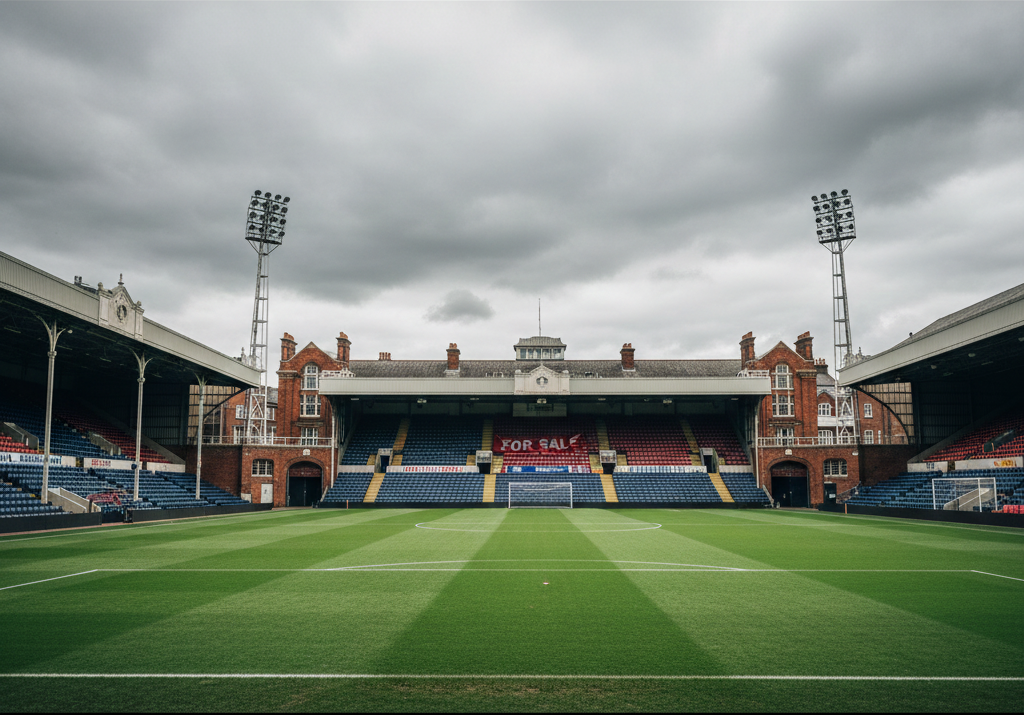
English football is one of the most powerful sporting industries in the world. From the global reach of the Premier League to the deeply rooted traditions of lower-league clubs, England offers unique opportunities for football investors. In recent years, interest in England football clubs for sale has grown rapidly, attracting business owners, celebrities, private equity groups, and international investors.
Introduction to Football Club Ownership in England
Owning a football club in England is no longer just about passion—it is also a business investment, branding opportunity, and long-term asset. With strong broadcasting revenues, loyal fanbases, and historic clubs across all divisions, England remains the most attractive football market globally.
From Premier League giants to non-league community clubs, English football clubs for sale appear regularly due to financial restructuring, ownership changes, or strategic exits.
Why Are England Football Clubs for Sale?
There are several reasons why football clubs in England become available for purchase.
1. Financial Pressures
Many clubs, especially in the lower leagues, struggle with:
Rising player wages
Stadium maintenance costs
Limited matchday revenue
Owners may choose to sell to reduce losses or avoid long-term debt.
2. Ownership Transition
Some clubs are sold due to:
Retirement of long-term owners
Family ownership changes
Strategic business exits
This is common in historic clubs owned by individuals for decades.
3. Growth Opportunities
Ironically, success can also lead to sales. When a club:
Gains promotion
Builds a strong academy
Develops valuable land or facilities
Owners may sell at peak valuation.
Types of Football Clubs for Sale in England
England’s football pyramid offers investment options at every level.
Premier League Clubs
These clubs are rarely for sale, but when available, they attract global attention.
Key Features:
Global fanbase
Massive broadcasting revenue
High valuations (£300m–£5bn+)
Best for: Billionaires, sovereign wealth funds, global investors.
Championship Clubs
Championship clubs are among the most attractive investments.
Why?
High chance of Premier League promotion
Strong attendance figures
Significant media coverage
Estimated Valuation: £20m–£200m
Many recent buyers target Championship clubs as a gateway to the Premier League.
League One and League Two Clubs
These clubs offer affordable entry into professional football.
Advantages:
Lower purchase price
Strong community identity
Development potential
Estimated Valuation: £2m–£25m
They are popular with:
First-time football investors
Local business groups
Overseas buyers seeking long-term growth
Non-League Football Clubs
Non-league clubs (National League and below) are often the most accessible.
Benefits:
Very low entry cost
Local fan loyalty
Property and land development opportunities
Estimated Valuation: £100k–£2m
These clubs suit investors focused on community projects or gradual development.
Who Is Buying England Football Clubs?
The profile of buyers has changed dramatically over the last decade.
International Investors
Buyers from:
USA
Middle East
Asia
Europe
are increasingly acquiring English clubs due to brand visibility and league stability.
Private Equity Groups
Investment firms now view football clubs as:
Media assets
Brand growth platforms
Long-term commercial investments
Celebrities and Athletes
High-profile figures buy clubs for:
Personal passion
Brand expansion
Media influence
These owners often bring global attention to smaller clubs.
Local Business Owners
Traditional buyers still exist—local entrepreneurs investing to:
Protect club heritage
Support the community
Combine football with regional business growth
How Much Does It Cost to Buy a Football Club in England?
The cost depends on several factors:
Key Pricing Factors
League position
Stadium ownership
Debt levels
Player contracts
Academy status
Typical Price Ranges
| Level | Approximate Cost |
|---|---|
| Premier League | £300m – £5bn+ |
| Championship | £20m – £200m |
| League One | £5m – £30m |
| League Two | £2m – £15m |
| Non-League | £100k – £2m |
These figures do not include ongoing operational costs, which are critical to consider.
Ongoing Costs of Owning a Football Club
Buying the club is only the beginning.
Regular Expenses
Player wages
Coaching staff salaries
Stadium maintenance
Travel and logistics
Youth academy funding
Many clubs operate at a loss and rely on owner funding.
Revenue Streams for English Football Clubs
Despite costs, clubs generate income through multiple channels.
Matchday Revenue
Ticket sales
Hospitality
Merchandise
Broadcasting Revenue
Major income source for Premier League and Championship clubs
Commercial Partnerships
Shirt sponsors
Stadium naming rights
Brand collaborations
Player Trading
Buying and selling players is a key revenue model, especially for lower-league clubs.
Legal and Regulatory Requirements
Any buyer of an English football club must pass strict regulations.
Owners’ and Directors’ Test
The English Football League (EFL) and Premier League require:
Proof of funds
Clean legal background
Transparent ownership structure
This ensures financial integrity and club stability.
Risks of Buying a Football Club in England
While attractive, football ownership carries risks.
Financial Losses
Most clubs do not generate profits annually.
Relegation
Dropping divisions can significantly reduce income.
Fan Pressure
Supporters expect transparency, success, and respect for club traditions.
Regulatory Changes
Financial Fair Play and league rules can impact spending power.
Why Investors Still Buy England Football Clubs
Despite risks, demand remains strong.
Global Brand Power
English football has unmatched worldwide reach.
Emotional Value
Football clubs offer loyalty that no other business can match.
Long-Term Asset Growth
Successful clubs can increase dramatically in value over time.
Cultural Influence
Owners become part of a club’s history and identity.
The Role of Agents and Brokers
Most England football clubs for sale are handled discreetly.
Where Deals Happen
Specialist football brokers
Private networks
Legal and financial advisory firms
Public listings are rare for higher-level clubs.
The Future of Football Club Ownership in England
The future looks dynamic and competitive.
Key Trends
Increased foreign ownership
Greater focus on sustainability
Data-driven club management
Stronger fan engagement models
Community ownership models are also gaining popularity at lower levels.
Community Impact of Football Club Sales
When ownership changes, communities are deeply affected.
Positive ownership can:
Improve facilities
Support youth programs
Strengthen local identity
Poor ownership can:
Increase debt
Damage trust
Threaten club survival
This makes responsible ownership essential.
Tips for Buying a Football Club in England
If you are considering buying a club, focus on:
Realistic budgeting
Long-term planning
Respecting club culture
Hiring experienced football professionals
Football success is rarely instant.
Conclusion
England football clubs for sale offer a unique blend of business opportunity, cultural influence, and sporting passion. From elite Premier League teams to historic non-league clubs, England’s football ecosystem provides options for every type of investor.
However, owning a football club requires patience, financial commitment, and deep respect for the game and its supporters. Those who approach ownership with a long-term vision and responsible strategy can find both personal fulfillment and significant value.
In the end, buying an English football club is not just an investment—it is a commitment to the heartbeat of the beautiful game.