
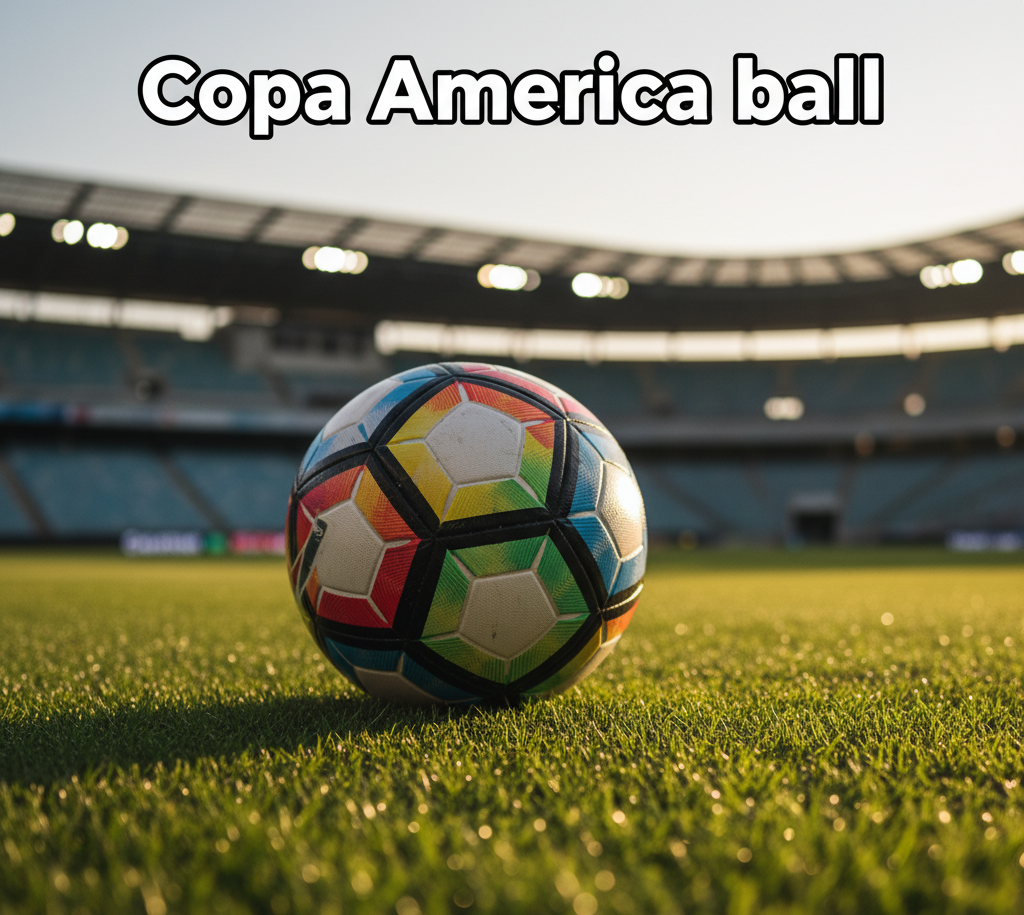
Football is more than just a game in South America; it is a culture, a passion, and for millions, a way of life. At the heart of every Copa America tournament lies a critical yet often overlooked element — the Copa America ball. This ball isn’t just a piece of sports equipment; it represents history, craftsmanship, innovation, and the dreams of players and fans alike.
In this comprehensive guide, we explore everything about the Copa America ball, from its evolution to its technological advancements, design, and influence on the tournament. Whether you are a collector, a player, or just a football enthusiast, understanding the story behind the Copa America ball enhances your appreciation of the beautiful game.
History of the Copa America Ball
The Copa America tournament, established in 1916, is the oldest continental football competition in the world. Over the decades, the tournament has witnessed legendary matches, iconic goals, and unforgettable moments. However, the ball used in the tournament has evolved significantly.
Early Days
In the early 20th century, footballs were made of leather panels stitched together with laces. These balls were heavy, especially when wet, and could cause discomfort or even injuries. Despite their limitations, these early balls were central to the development of football in South America. The Copa America ball from this era was simple, functional, and handcrafted, reflecting the artisanal methods of the time.
Modern Era
As football grew in popularity and technology advanced, ball design became a priority. The modern Copa America ball is engineered for precision, consistency, and durability. Manufacturers, often global brands like Adidas, have incorporated innovative materials and designs to improve performance on the field.
Design and Technology of the Copa America Ball
The Copa America ball is not just aesthetically appealing; it is a high-performance sports tool designed to meet the rigorous demands of professional football.
Materials
Modern balls use a combination of synthetic leather and thermally bonded panels. These materials provide a smooth, waterproof surface, ensuring consistent flight and minimal water absorption. This contrasts with older leather balls that could become heavy and unpredictable during rainy matches.
Panel Configuration
The panel design of the Copa America ball has evolved significantly. While traditional balls had 32 stitched panels, contemporary designs use 12, 14, or even 8 panels bonded together. Fewer panels mean fewer seams, which enhances the ball’s aerodynamics and improves accuracy for passes, shots, and free kicks.
Aerodynamics
The Copa America ball is tested extensively for flight stability. Factors like swerve, dip, and velocity are carefully calibrated to ensure the ball performs consistently across different stadium conditions. Advanced simulation and real-world testing allow manufacturers to predict how the ball will behave under various weather and pitch conditions.
Aesthetic Design
Every Copa America ball is a piece of art. Its design often reflects the culture and host nation of the tournament. Vibrant colors, geometric patterns, and thematic motifs make each edition unique. For example, balls from recent tournaments have incorporated elements inspired by local landscapes, indigenous art, and national flags, making the ball an icon of South American football culture.
The Evolution of Copa America Balls Over the Years
The Copa America ball has undergone a fascinating journey, reflecting changes in both technology and football trends.
1990s: The Rise of Technology
In the 1990s, manufacturers introduced synthetic materials, lighter designs, and machine-stitched panels. Balls like the Adidas Questra and Tango España gained attention for their improved accuracy and responsiveness. The focus shifted from simple functionality to performance optimization.
2000s: Precision and Control
By the 2000s, the Copa America ball became a technological marvel. Brands used micro-textured surfaces to enhance grip and control. Balls became more predictable in flight, aiding players in executing complex dribbles, passes, and shots.
2010s: Innovation Meets Culture
Recent editions of the Copa America ball combine cutting-edge technology with cultural storytelling. For example, the Adidas Conext19, used in Copa America 2019, featured a design inspired by the landscapes of Brazil, including the Amazon rainforest and vibrant cityscapes. Such designs make the ball a collectible item, cherished by fans worldwide.
Why the Copa America Ball Matters
The Copa America ball is more than just equipment; it plays a significant role in the tournament’s identity and success.
Player Performance
The quality of the ball directly affects player performance. A ball with optimal weight, bounce, and aerodynamics allows players to execute skills with confidence. Whether it’s a powerful strike from outside the box or a delicate chip over the goalkeeper, the ball’s characteristics can influence the outcome of matches.
Fan Engagement
The ball is also a visual icon for fans. From television broadcasts to social media, the Copa America ball becomes a symbol of the tournament. Its design captures attention, sparks conversations, and drives merchandising opportunities. Collectors and supporters often purchase replica balls to celebrate their favorite tournament editions.
Cultural Symbolism
Each edition of the Copa America ball embodies the spirit of the host nation. The colors, patterns, and motifs tell stories about local heritage, landmarks, and football traditions. This adds depth to the tournament experience, connecting fans to both the game and the region’s culture.
How to Choose the Right Copa America Ball
Whether you are buying a ball for play, training, or collection, choosing the right Copa America ball is crucial. Here are some factors to consider:
Official Match Ball vs Replica Ball
Official Match Ball: Used in professional matches, these balls are made from premium materials, tested for performance, and approved by FIFA. They are perfect for serious players or collectors.
Replica Ball: Slightly less expensive, these balls mimic the design of the official match ball but may use different materials or manufacturing processes. They are ideal for casual play or display.
Size and Weight
Most Copa America balls follow FIFA standards — size 5 and weight between 410-450 grams. Some training or youth balls might differ slightly. Always check specifications before purchase.
Durability
Consider the ball’s surface material and stitching or bonding method. A thermally bonded ball is typically more durable than a stitched one, especially for outdoor use on rough surfaces.
Grip and Control
Advanced Copa America balls feature textured surfaces that improve control, especially during wet or humid conditions. Look for balls with micro-textured patterns if precision and handling matter to you.
Caring for Your Copa America Ball
Proper maintenance extends the life of your Copa America ball, whether it’s for play or collection.
Cleaning: Wipe the ball with a damp cloth after use. Avoid harsh chemicals or abrasive surfaces that could damage the material.
Storage: Store the ball in a cool, dry place. Avoid leaving it in direct sunlight or in a hot car, as heat can deform the panels.
Inflation: Use a proper pump and avoid over-inflation. Check the manufacturer’s recommended pressure to maintain optimal performance.
The Future of Copa America Balls
With the ongoing advancements in sports technology, the future of the Copa America ball promises even more innovation.
Smart Balls
Emerging technology includes smart footballs equipped with sensors that track speed, spin, and trajectory in real time. This data can enhance player training, broadcast analysis, and fan engagement. Imagine watching a goal and knowing the exact velocity and spin of the ball — the experience becomes far more interactive and immersive.
Sustainability
Sustainability is a growing concern in sports manufacturing. Future Copa America balls may use eco-friendly materials and production methods, reducing environmental impact while maintaining top-tier performance.
Customization
Fan engagement may also take a step further with customizable balls, allowing supporters to personalize colors, designs, or even digital elements, connecting them more intimately with the tournament experience.
Conclusion
The Copa America ball is much more than a piece of sports equipment. It is a symbol of South American football passion, an icon of culture, and a tool that shapes the very nature of the game. From its early handcrafted leather designs to the technologically advanced, aesthetically striking balls of today, the Copa America ball has continually evolved, reflecting the progress of both sport and society.
For players, fans, and collectors, owning or witnessing the Copa America ball is like holding a piece of football history. It represents skill, strategy, and the dreams of millions of fans who live for the drama of every match. As we look forward to future tournaments, the Copa America ball will continue to embody the spirit, innovation, and artistry that make football the beautiful game it is today.