
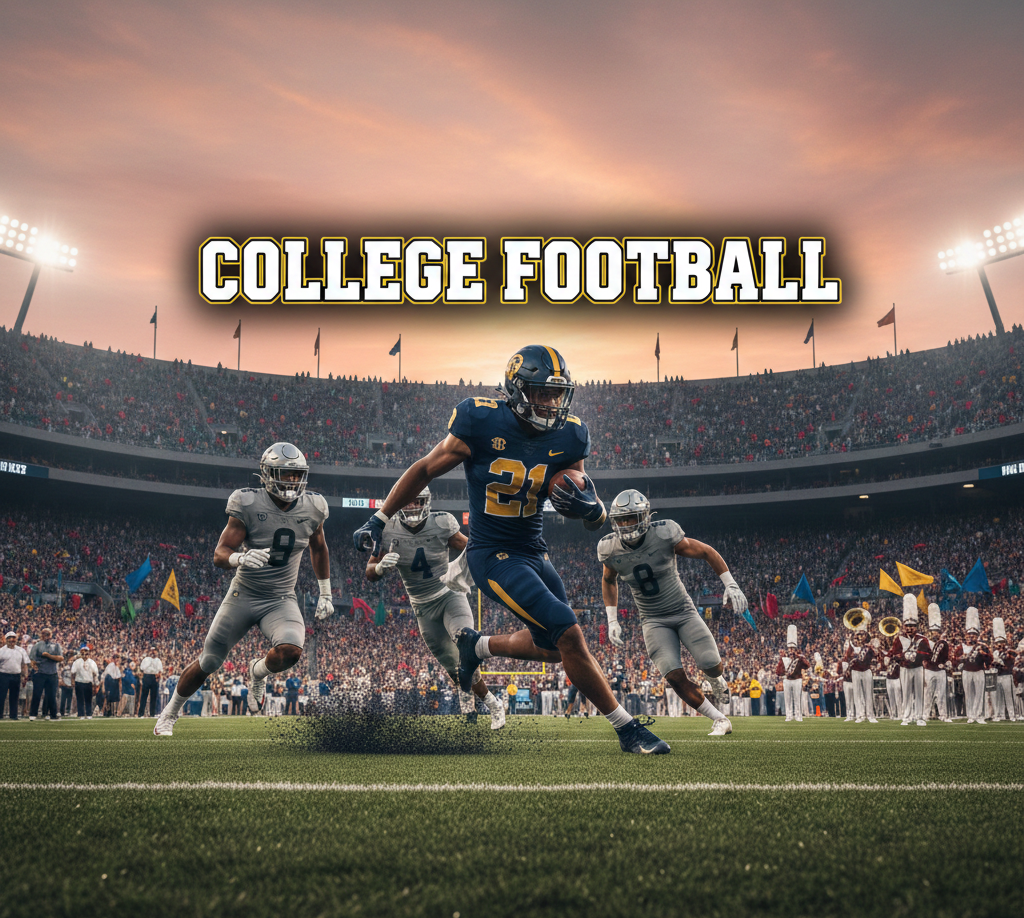
College football is more than just a competitive sport. It is a tradition woven into the identity of universities, communities, and millions of fans across the United States. Every fall, stadiums fill with passionate supporters, marching bands energize the crowd, and student-athletes compete at the highest collegiate level. From historic rivalries to national championship dreams, college football represents ambition, pride, and opportunity.
The Origins of College Football
College football began in the late 1800s and gradually evolved into the modern game we know today. Early contests resembled a hybrid of rugby and soccer. Over time, rule changes introduced the line of scrimmage, downs, forward passing, and standardized scoring. These developments transformed college football into a dynamic, strategy-driven sport.
By the early 20th century, the game had become deeply embedded in university culture. Institutions built large stadiums, hired professional coaching staffs, and developed organized conferences to structure competition. What started as small campus competitions grew into a national spectacle.
How College Football Is Organized
College football operates under the NCAA (National Collegiate Athletic Association). The top competitive level is the Football Bowl Subdivision (FBS), where the most recognized and competitive programs compete.
NCAA Divisions
College football is divided into several levels:
Football Bowl Subdivision (FBS) – The highest tier, featuring major national programs.
Football Championship Subdivision (FCS) – Competitive schools with slightly smaller programs.
Division II – Regional competition with scholarship limits.
Division III – Focused on athletics without athletic scholarships.
Each division maintains its own championship format and eligibility rules.
Conferences: The Backbone of Competition
Conferences organize schools into regional and competitive groups. Conference play determines standings, championship games, and often playoff qualification.
Some conferences are known for physical defensive play, while others emphasize high-scoring offenses. Conference championships are crucial because they strengthen a team’s resume for national recognition.
Conference realignment in recent years has reshaped traditional matchups, creating new rivalries and expanding national reach.
The College Football Playoff
At the end of the regular season, top teams are ranked based on performance, strength of schedule, and overall results. The highest-ranked programs compete in the College Football Playoff system to determine the national champion.
The playoff format has added excitement and transparency to championship selection. It ensures that elite programs compete head-to-head for the title rather than relying solely on polls.
Winning a national championship remains the ultimate goal in college football.
Bowl Games and Postseason Tradition
Bowl games are one of the most unique aspects of college football. Unlike professional leagues, teams that achieve successful seasons are rewarded with postseason invitations.
Bowl games offer:
National television exposure
Financial benefits for schools
Additional practice time for players
Memorable experiences in host cities
Prestigious bowl games often serve as semifinal or championship matchups, further elevating their importance.
The Culture of Game Day
Few sporting events compare to the atmosphere of a college football Saturday. The day often begins hours before kickoff with tailgating, live music, and school spirit celebrations.
Key elements of the college football game day experience include:
Marching bands performing fight songs
Student sections creating coordinated chants
Mascots entertaining crowds
Alumni gatherings
Stadiums filled with school colors
For many fans, game day is a weekly tradition that brings families and communities together.
Iconic Rivalries
Rivalries define college football. These matchups are fueled by decades of history, geographic proximity, and competitive intensity. Some rivalries determine conference championships, while others are driven purely by pride.
Rivalry games often produce dramatic finishes and unforgettable moments. The emotional stakes are high, and players understand the legacy attached to these contests.
Winning a rivalry game can define a season, regardless of overall record.
Recruiting: Building Championship Teams
Recruiting is the foundation of success in college football. Coaching staffs travel nationwide to evaluate high school prospects, attend camps, and build relationships with athletes and their families.
Recruiting involves:
Player evaluations
Scholarship offers
Official campus visits
Commitment announcements
Signing day ceremonies
Highly ranked recruiting classes can significantly impact a program’s future. However, development and coaching remain equally important in turning talent into performance.
Player Development and the Path to the NFL
College football serves as the primary pipeline to professional football. Many athletes use their college careers to develop physically, mentally, and strategically before entering the professional draft.
Programs invest heavily in:
Strength and conditioning facilities
Sports medicine
Film analysis technology
Nutrition programs
Leadership training
While not every player reaches the professional level, college football provides life skills, education, and exposure that benefit athletes long after graduation.
The Impact of NIL (Name, Image, and Likeness)
Recent rule changes have allowed college athletes to profit from their name, image, and likeness. This shift has transformed the college football landscape.
Players can now:
Sign endorsement deals
Monetize social media platforms
Partner with local and national brands
Build personal brands
The NIL era has introduced new recruiting dynamics and greater athlete empowerment. Marketing strategy now plays a significant role in college athletics.
Financial Influence of College Football
College football generates billions in annual revenue. Income streams include:
Broadcasting rights
Ticket sales
Sponsorship agreements
Merchandise
Licensing deals
Large programs operate with budgets comparable to professional teams. Revenue from football often supports other athletic programs within universities.
The financial impact also extends to host cities, hotels, restaurants, and local businesses during game weekends.
Coaching and Leadership
Strong leadership defines successful programs. Head coaches shape culture, recruit talent, and implement systems that determine performance on the field.
Coaching stability often correlates with sustained success. Programs that invest in experienced staff, strategic planning, and player mentorship tend to maintain competitive advantages.
Great coaches leave legacies that influence generations of players.
Media Coverage and National Attention
College football enjoys massive television viewership. Weekly broadcasts attract millions of fans, and rivalry games often dominate national headlines.
Digital media has expanded coverage through:
Live streaming platforms
Social media engagement
Podcast analysis
Player interviews
Behind-the-scenes content
This expanded exposure has increased fan engagement and recruiting visibility.
The Role of Tradition
Tradition sets college football apart from professional sports. Each school maintains unique rituals, songs, mascots, and pregame ceremonies.
Examples of traditions include:
Team entrance rituals
Historic fight songs
Campus parades
Student section traditions
These traditions build emotional connections between generations of students and alumni.
The Future of College Football
College football continues to evolve. Changes in playoff structure, transfer rules, conference alignment, and athlete compensation are shaping the next era of competition.
Key trends influencing the future include:
Expanded playoff formats
Increased player mobility
Greater athlete branding opportunities
Media streaming innovations
Data-driven performance analysis
Despite ongoing changes, the foundation of college football remains unchanged: passion, competition, and community.
Why College Football Remains So Popular
College football endures because it offers something deeper than entertainment. It represents school pride, regional identity, and lifelong loyalty.
Fans connect emotionally because:
Teams represent their alma mater or hometown
Rivalries carry personal meaning
Traditions create shared memories
Players develop into future stars
The combination of athletic excellence and community pride ensures that college football continues to thrive.
Final Thoughts
College football stands as one of the most influential and exciting sports in the United States. From historic beginnings to modern playoff systems, it continues to captivate audiences nationwide.
With powerful traditions, intense rivalries, and evolving opportunities for athletes, college football remains a cornerstone of American sports culture. As the game grows and adapts, its heart — the connection between team, school, and community — will always remain strong.