
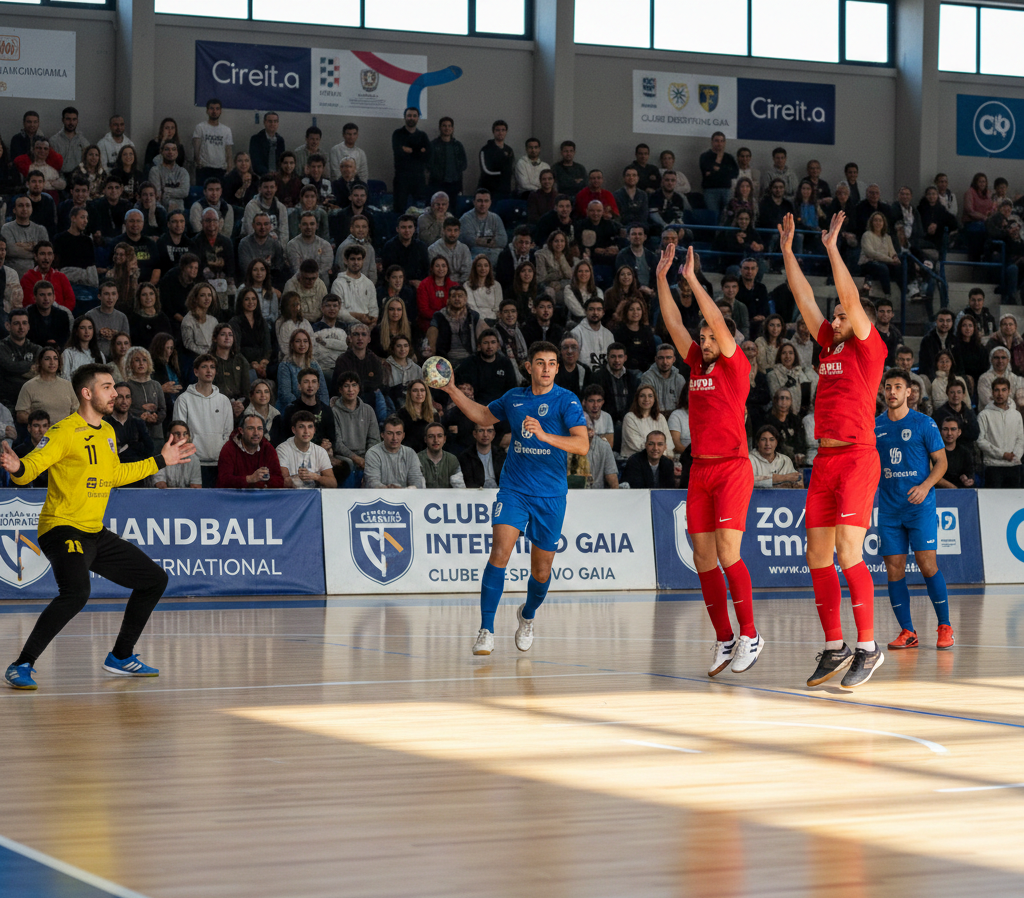
Sport has a way of bringing people together, especially when it combines speed, teamwork, and clear moments of skill. Club hand football, often known internationally as club handball, is one of those sports that quietly builds loyalty among fans. It may not always dominate headlines, but once people understand the rhythm of the game, they tend to stay. There is something honest and engaging about watching a team work in close space, relying on coordination rather than individual showmanship alone.
For many fans around the world, club hand football represents balance. It blends physical effort with smart positioning, quick thinking, and collective discipline. In this article, we take a close look at club hand football, how clubs operate, how matches unfold, and why interest in the sport continues to grow across different regions.
What Is Club Hand Football
Club hand football is a team sport played indoors on a rectangular court. Each team has seven players on the court at a time, including a goalkeeper. The aim is simple in theory but demanding in practice. Players pass, move, and shoot the ball by hand to score goals against the opposing team.
At club level, the sport emphasizes teamwork above all else. Players rotate positions, cover for each other, and move in tight formations. Unlike some sports where long pauses interrupt play, hand football flows continuously. This constant movement keeps both players and fans engaged from start to finish.
Clubs are usually rooted in local communities. Many players begin in youth systems and grow within the same club structure. This creates strong bonds between players, coaches, and supporters, which is one reason club hand football feels personal and grounded.
The Structure of Club Hand Football Teams
A club hand football team is carefully built around balance. While some players specialize in scoring, others focus on defense, distribution, or controlling the pace of play. Each role matters, and success depends on how well these roles connect.
Goalkeepers play a central role. Positioned close to the action, they must react quickly and read shots within seconds. Field players, meanwhile, must be comfortable both attacking and defending. Unlike sports with strict positional boundaries, hand football players constantly shift responsibilities.
At the club level, coaches focus on long term development. Training sessions often emphasize footwork, passing accuracy, and spatial awareness. Fitness is important, but so is decision making under pressure. This approach helps clubs maintain consistency across a full season.
How Club Competitions Work
Club hand football is organized into leagues and tournaments. Clubs compete in domestic leagues over a season, earning points through wins and draws. League tables show standings and reflect consistency rather than single match brilliance.
In many regions, top clubs also qualify for regional or continental competitions. These tournaments introduce different playing styles and raise the overall standard of the game. For fans, following these competitions adds depth and narrative to the season.
Promotion and relegation systems are common. This keeps competition healthy and motivates clubs at every level. Even teams near the bottom of the table have clear goals, which maintains intensity throughout the season.
The Playing Style That Defines Club Hand Football
One of the most appealing aspects of club hand football is its rhythm. Matches move quickly, but not chaotically. Attacks are built through short passes, sharp cuts, and timed runs. Defenses rely on positioning and anticipation rather than constant physical contact.
Clubs often develop distinct identities. Some teams prefer fast breaks and early shots, while others build patiently and wait for high percentage chances. Defensive systems also vary, with some clubs pressing high and others sitting deeper to protect space.
This variety makes club hand football enjoyable to follow over time. Fans learn to recognize patterns and appreciate subtle tactical changes from match to match.
Training and Player Development at Club Level
Training is where club hand football truly takes shape. Sessions usually combine technical drills with game scenarios. Players practice passing under pressure, shooting from different angles, and moving as a unit.
Youth development is a core part of many clubs. Young players are taught fundamentals early, including teamwork and respect for the game. As they progress, training becomes more specialized, but the focus on collective play remains.
Clubs that invest in development tend to build sustainable success. Instead of relying on short term results, they create a pipeline of players who understand the club’s style and values.
The Role of Coaches and Staff
Coaches in club hand football act as planners and teachers. They study opponents, prepare game plans, and guide players through both wins and losses. Communication is key, especially during matches where decisions must be made quickly.
Support staff also play an important role. Fitness trainers help manage workload across a long season. Medical staff ensure players recover properly and avoid long term injuries. Together, this team behind the team allows players to perform consistently.
For fans, understanding the role of staff adds another layer to following the club. Success rarely comes from players alone.
Matchday Experience for Fans
Watching club hand football live is an engaging experience. The court is small enough that fans feel close to the action. Every goal, save, and defensive stand is visible and immediate.
Supporters often sit just meters from the players. This closeness creates a shared atmosphere where crowd reactions directly affect momentum. Home courts can feel especially intense, giving clubs a meaningful advantage.
For international fans watching broadcasts or highlights, the energy still comes through. The pace of the game translates well on screen, making it easy to follow even for newcomers.
Why Club Hand Football Is Growing Globally
Interest in club hand football has been rising steadily, especially in regions where fans are looking for fast, skill based team sports. Its rules are easy to grasp, and matches fit comfortably into modern viewing habits.
Another reason for growth is accessibility. The sport does not require massive stadiums or complex equipment. This makes it easier for clubs to form and sustain themselves at local levels.
As media coverage expands and youth programs grow, more people are discovering the appeal of club hand football. It offers competition without excess spectacle, focusing instead on movement, teamwork, and clear outcomes.
Comparing Club Hand Football to Other Team Sports
Club hand football shares elements with sports like basketball and football, but it maintains its own identity. Like basketball, it values quick passing and movement. Like football, it emphasizes team shape and collective effort.
What sets it apart is the balance between physicality and finesse. Contact exists, but rules protect players and encourage skillful play. This balance appeals to fans who appreciate strategy as much as intensity.
For athletes, the sport offers a demanding but rewarding challenge. It tests coordination, endurance, and mental focus all at once.
Challenges Faced by Club Hand Football
Despite its growth, club hand football faces challenges. In some regions, limited media exposure makes it harder to attract sponsors. Smaller clubs may struggle with funding or facilities.
Scheduling can also be demanding. Playing multiple competitions in a season requires careful planning to avoid burnout. Clubs with smaller squads must manage resources wisely.
Still, these challenges often strengthen club culture. Teams learn to rely on structure, discipline, and shared responsibility, which aligns with the sport’s core values.
The Importance of Community in Club Hand Football
Community support is central to club hand football. Many clubs depend on volunteers, local sponsors, and loyal supporters. This creates a strong sense of belonging.
Youth teams often train in the same facilities as senior teams, reinforcing continuity. Fans watch players grow over years, not just seasons. This long view builds trust and emotional connection.
For many supporters, following a club is about identity. Wins matter, but so does representing the community with integrity.
Looking Ahead for Club Hand Football
The future of club hand football looks steady and promising. As awareness grows, more clubs are investing in youth development and professional structures. Technology is also playing a role, with improved analysis and broadcasting tools.
International competitions continue to raise standards and visibility. As clubs learn from each other, the overall quality of play improves.
For fans new to the sport, now is a good time to start watching. The game offers clarity, pace, and authenticity that many people appreciate.
A Thoughtful Way to Enjoy the Sport
Following club hand football is not about chasing constant drama. It is about understanding patterns, appreciating teamwork, and enjoying steady improvement. Each match adds context to the season, and each season adds depth to the club’s story.
Whether you are watching from a packed local court or following results from abroad, the sport rewards attention and patience. Over time, small details become meaningful, and the game begins to feel familiar.
Club hand football may not always shout for attention, but it speaks clearly to those who listen.