
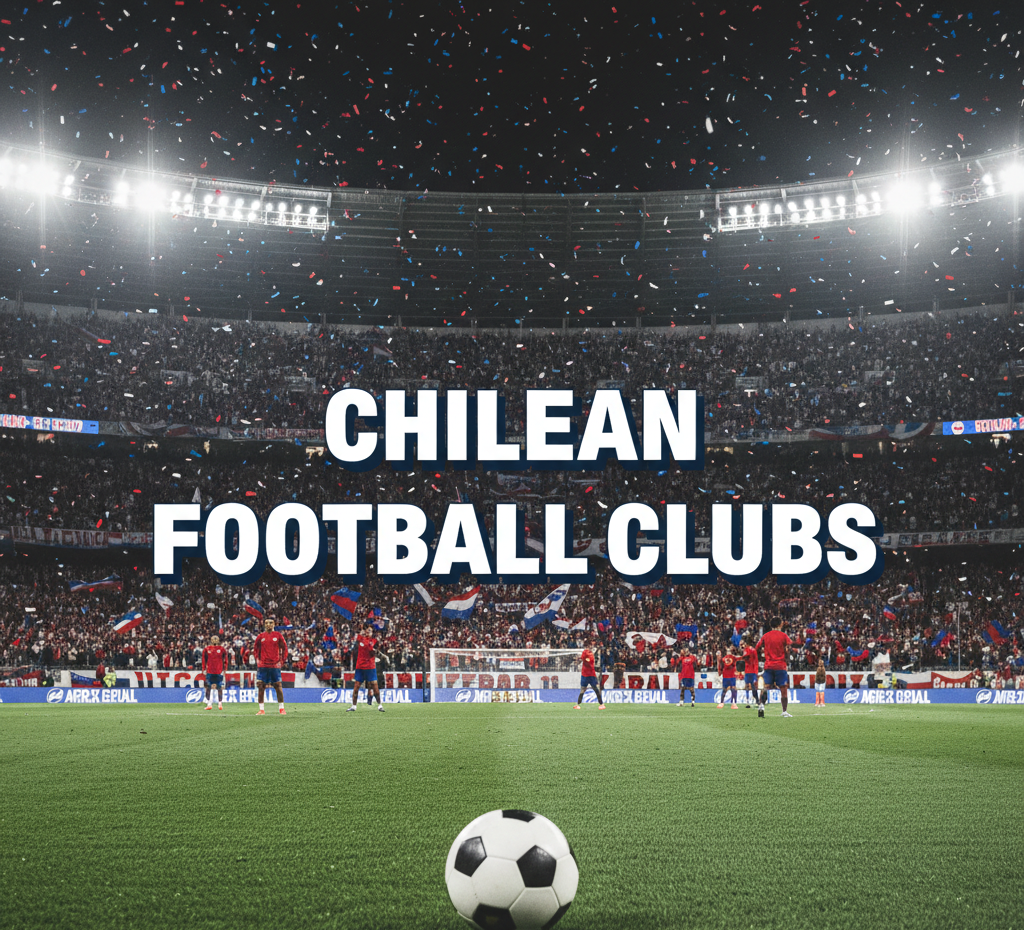
Chilean football clubs are at the heart of South American football culture. Football in Chile is more than just a sport—it is a way of life. From historic rivalries to passionate fan bases, Chilean clubs have shaped the footballing identity of the country. Every match is a celebration, every club has a story, and every season brings excitement for supporters across the nation.
This article provides a complete guide to Chilean football clubs, their history, major teams, rivalries, youth development, and their influence on both domestic and international football.
The Origins of Chilean Football Clubs
Football came to Chile in the late 19th century, introduced by British immigrants and sailors. Over time, the game became deeply rooted in Chilean culture. Cities such as Santiago and Valparaíso became the birthplaces of some of the earliest clubs.
Clubs quickly became more than sports teams—they became symbols of community pride. Their growth laid the foundation for structured leagues, competitive tournaments, and passionate fan communities.
Structure of Chilean Football
Chilean football clubs compete in a tiered league system. The top division is the Primera División, where the strongest teams compete for the national championship. Below the top tier are lower divisions, including Primera B and Segunda División, which maintain competitive balance through promotion and relegation.
This structure ensures that every season is competitive. Clubs must perform consistently to avoid relegation and, at the same time, strive for qualification to international tournaments.
The Big Three: Dominant Chilean Clubs
While many clubs compete in Chile, three clubs have historically dominated domestic football: Colo-Colo, Universidad de Chile, and Universidad Católica. These clubs have large fan bases, long histories, and consistent success.
Colo-Colo
Colo-Colo is the most successful football club in Chile. Known for its winning mentality and large supporter base, Colo-Colo has dominated domestic competitions for decades. The club has produced some of Chile’s most talented players and remains a symbol of football excellence in the country.
Universidad de Chile
Universidad de Chile, often called “La U,” is famous for its attacking style and vibrant fan culture. The club has achieved both domestic and international success, bringing pride to its supporters. Matches involving Universidad de Chile are always highly anticipated, especially against their arch-rivals.
Universidad Católica
Universidad Católica is the third powerhouse. Known for tactical discipline and strong youth programs, the club consistently competes for top honors. Universidad Católica’s balanced approach on and off the field has earned it a loyal following.
Historic Rivalries
One of the most exciting aspects of Chilean football clubs is their intense rivalries. The Superclásico—Colo-Colo versus Universidad de Chile—is the most famous fixture in the country. It is not just a football match; it is an event that captures the attention of millions.
Rivalries bring:
Electrifying stadium atmospheres
Massive national interest
Intense competition on the field
Matches like these define seasons and create unforgettable memories for fans.
International Competitions
Top Chilean clubs often compete in international tournaments, showcasing their talent on a larger stage. Competitions such as continental club championships test Chilean teams against other South American clubs, improving standards and gaining global recognition.
International exposure allows clubs to attract better players, increase revenue, and strengthen their reputation beyond Chile.
Youth Development and Talent Production
Chilean football clubs place a strong emphasis on youth development. Many clubs run academies to train young players from an early age. These programs focus on:
Tactical education
Physical conditioning
Technical skills
Professional growth
Several internationally recognized players began their careers in Chilean club academies. Investing in youth ensures a sustainable pipeline of talent for the future.
Regional Clubs and Growing Competition
While the “big three” dominate headlines, regional clubs play a crucial role in Chilean football. Teams from cities like Valparaíso, Concepción, and Antofagasta provide competitive diversity, develop local talent, and represent their communities with pride.
Regional clubs challenge larger teams, creating a more exciting league for fans and players alike.
Fan Culture and Stadium Atmosphere
The passion of Chilean football fans is unmatched. Stadiums come alive with chants, songs, and coordinated displays of color. Supporting a club is a family tradition in many parts of the country.
Stadium experiences include:
Energetic crowd chants
Colorful banners and flags
Vibrant pre-match celebrations
Emotional highs and lows during the game
Football in Chile is about community, pride, and shared experience.
Challenges Facing Chilean Football Clubs
Despite their success, Chilean football clubs face challenges. Financial constraints, infrastructure development, and competition from larger leagues abroad are constant concerns. Clubs must balance financial sustainability with the need to remain competitive both domestically and internationally.
Modern Trends in Chilean Football Clubs
Chilean football clubs are evolving. Modern stadiums, data-driven training, and professional management structures have helped clubs improve performance. Youth academies are more structured, and coaching techniques have become more tactical and scientific.
These advancements ensure Chilean football remains competitive in South America and continues to produce talented players.
The Importance of Chilean Football Clubs
Chilean football clubs are essential to the country’s sporting identity. They:
Unite communities
Develop young talent
Compete internationally
Inspire fans across generations
From local leagues to international competitions, these clubs reflect Chile’s passion, culture, and love for football.
Final Thoughts
Chilean football clubs are more than sports teams—they are institutions of culture, pride, and passion. From legendary teams like Colo-Colo and Universidad de Chile to rising regional clubs, every team contributes to the vibrant football landscape in Chile.
Rivalries, fan culture, and international competition make Chilean football exciting and unforgettable. Supporting a Chilean club means joining a community, experiencing the highs and lows, and witnessing football played with heart and soul.
The legacy of Chilean football clubs continues to grow, driven by history, talent, and the unwavering passion of supporters across the country. Every match is an opportunity to celebrate, compete, and keep the spirit of Chilean football alive.