
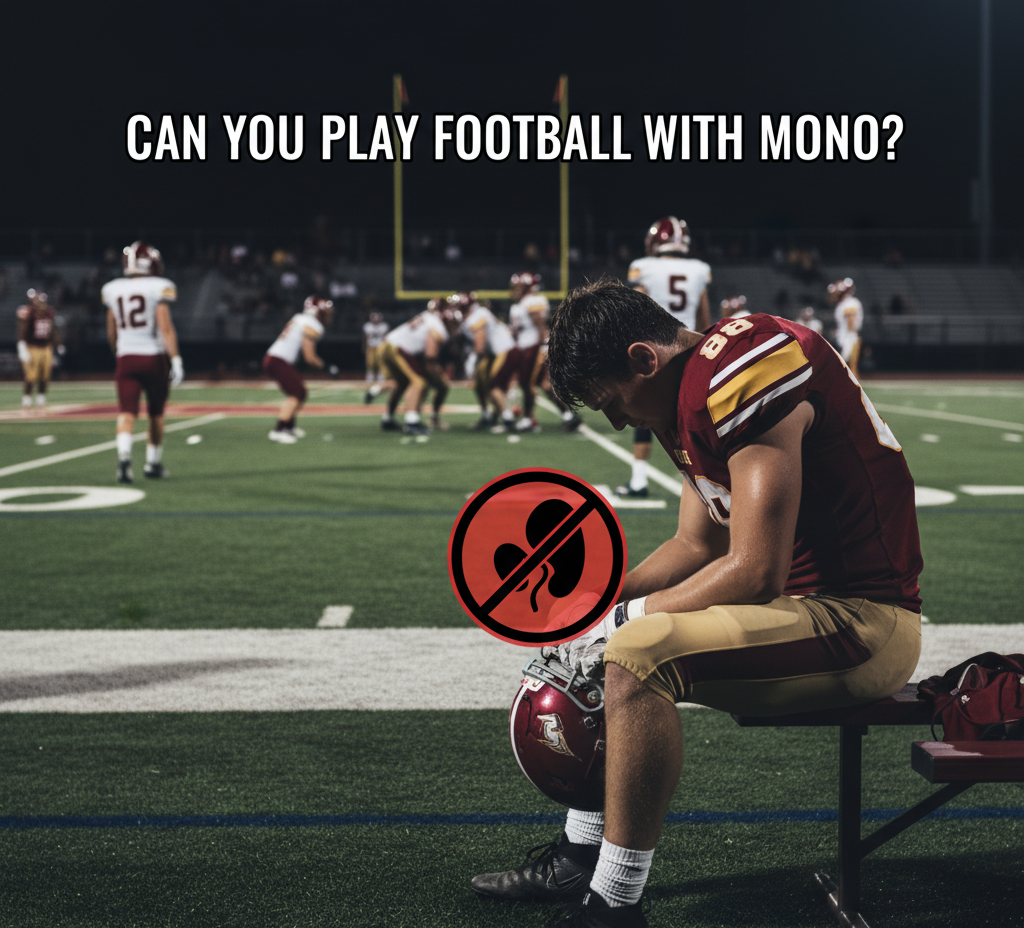
For athletes, staying active is essential—but sometimes illness can get in the way. One question many players ask is: “Can you play football with mono?” Infectious mononucleosis, often called “mono,” is a viral illness that can seriously affect your ability to perform on the field. Understanding the risks, symptoms, recovery time, and precautions is crucial for football players at any level.
In this guide, we’ll cover:
What mono is and how it affects the body
Symptoms and warning signs for athletes
Why playing football with mono can be dangerous
Recovery tips and timelines
How to safely return to sports after mono
Preventive measures and long-term considerations
By the end of this article, you’ll understand why mono requires careful management and how to make a safe return to football.
What Is Mono?
Mono is a contagious viral infection most often caused by the Epstein-Barr virus (EBV). It primarily spreads through saliva, which is why it’s sometimes called the “kissing disease.”
Key Facts About Mono
Caused by: Epstein-Barr virus (EBV)
Transmission: Saliva, shared utensils, or close contact
Most common in: Teens and young adults
Incubation period: 4–6 weeks after exposure
While mono is generally not life-threatening, it can severely impact energy levels, immune function, and the risk of serious complications in athletes.
Symptoms of Mono for Football Players
Athletes with mono may experience:
Fatigue: Extreme tiredness that can last weeks
Fever and chills
Sore throat and swollen tonsils
Swollen lymph nodes (neck, armpits)
Enlarged spleen and liver
Muscle aches and headaches
The enlarged spleen is a key concern for football players. Football is a contact sport, and impacts to the abdomen can cause the spleen to rupture, which is a medical emergency.
Can You Play Football with Mono?
The short answer: No, it is extremely risky to play football with mono.
Why Football Is Dangerous with Mono
Enlarged Spleen
Contact during tackles, blocks, or falls can rupture the spleen.
A ruptured spleen may require emergency surgery and can be life-threatening.
Fatigue and Weakness
Mono causes severe fatigue, reducing endurance and reaction time.
Players are more likely to make mistakes or injure themselves.
Immune System Stress
Football puts stress on the body. Playing while sick can prolong recovery.
Risk of secondary infections increases.
Other Complications
Fever and dehydration can worsen during intense physical activity.
Liver inflammation may also occur, so strenuous activity should be avoided.
How Long Should You Rest After Mono?
Recovery time varies depending on severity, but general guidelines for athletes include:
Acute phase: 2–4 weeks of rest until fever and sore throat subside
Return to non-contact activity: Usually 3–6 weeks after symptom onset
Full contact sports: Only after medical clearance, typically at least 4–6 weeks and sometimes longer if the spleen is enlarged
Tip: Always get a doctor’s clearance and consider imaging tests (ultrasound) to check spleen size before returning to football.
Safe Recovery Tips for Athletes
Recovering from mono properly is crucial for avoiding complications:
1. Rest and Sleep
Prioritize sleep to help your immune system fight the virus
Avoid strenuous exercise until cleared by a doctor
2. Hydration and Nutrition
Drink plenty of water
Eat nutrient-rich foods to support recovery
Include protein, fruits, vegetables, and whole grains
3. Monitor Symptoms
Keep track of fatigue, fever, and abdominal pain
Seek immediate medical attention if you feel sharp pain in the left abdomen (possible spleen rupture)
4. Gradual Return to Activity
Start with light aerobic activity (walking, stationary bike)
Progress to strength training
Only resume full-contact football after medical clearance
Warning Signs to Avoid Returning Too Soon
Football players should avoid returning too early if they experience:
Persistent fatigue or weakness
Enlarged or painful spleen
Fever or throat pain
Abnormal heart rate or dizziness
Ignoring these warning signs increases the risk of serious injury or long-term health issues.
When to See a Doctor
If you have mono and play football, contact a physician immediately if you notice:
Severe abdominal pain
Shortness of breath or chest pain
High fever not improving
Persistent extreme fatigue
Yellowing of skin or eyes (liver involvement)
Doctors may perform blood tests, liver function tests, or imaging to ensure safe return to sports.
Long-Term Considerations for Athletes
Even after recovery, some athletes may experience lingering fatigue or decreased performance. Long-term tips include:
Avoid overtraining in the first month post-recovery
Listen to your body and stop if you feel tired or dizzy
Maintain regular checkups to ensure your spleen and liver are healthy
Alternatives While Recovering
While you cannot play football, you can stay involved with your team in safe ways:
Attend games and support teammates
Study game strategies and plays
Engage in light, non-contact conditioning approved by your doctor
Staying mentally engaged keeps you ready to return once fully recovered.
Conclusion
So, can you play football with mono? The answer is no. Playing football while infected with mono is extremely risky due to the danger of spleen rupture, fatigue, and other complications.
Athletes should prioritize:
Rest and recovery
Hydration and nutrition
Gradual return to activity with medical clearance
Following these guidelines ensures you can safely return to football without risking your health. Mono may be frustrating, but patience and proper care are essential for long-term athletic success.
Remember: your health comes first, and rushing back onto the field can have serious consequences.