
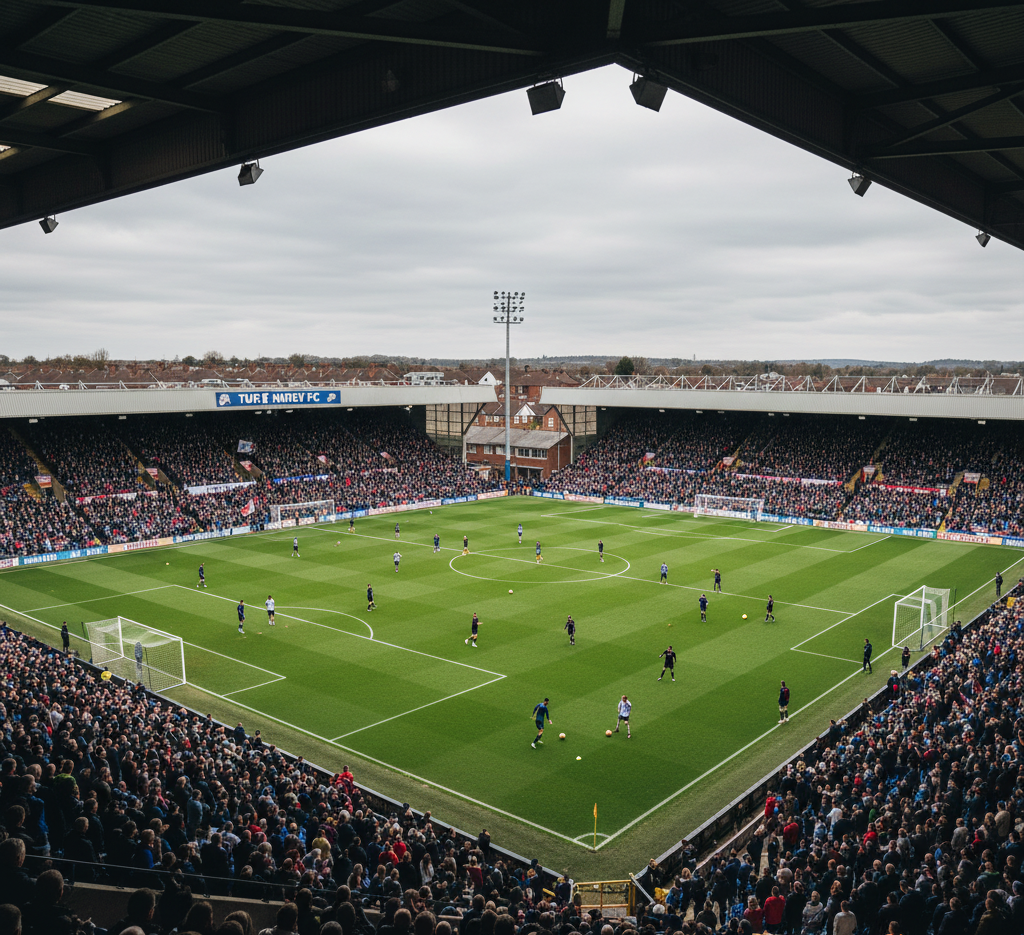
Burnley Football Club Stadium, famously known as Turf Moor, is one of the most historic football grounds in England. Deeply rooted in tradition, Turf Moor is not just the home of Burnley Football Club—it is a living symbol of English football heritage. From its early beginnings in the 19th century to its modern role in top-flight football, the stadium represents loyalty, resilience, and community pride.
This detailed guide explores the full story of Burnley FC’s stadium, including its history, architecture, stands, atmosphere, renovations, fan experience, and future vision.
Introduction to Turf Moor Stadium
Turf Moor is located in Burnley, Lancashire, and has served as the permanent home of Burnley Football Club since 1883. It is widely regarded as one of the oldest continuously used football grounds in the world. Unlike modern stadiums built for commercial appeal, Turf Moor maintains a traditional English football character that resonates deeply with fans.
The stadium reflects the identity of Burnley FC—strong, hardworking, and deeply connected to its local roots. Over the decades, Turf Moor has witnessed historic victories, dramatic promotions, relegation battles, and unforgettable European nights.
Early History of Burnley Football Club Stadium
Burnley Football Club moved to Turf Moor in the late 19th century, at a time when football was still evolving into an organized professional sport. The ground originally served multiple purposes, including cricket, before becoming exclusively dedicated to football.
Key Early Developments
Turf Moor became Burnley’s permanent home in 1883
One of the first grounds to host professional league matches
Early wooden stands and basic terracing
By the early 20th century, Turf Moor had already established itself as a fortress, earning a reputation for intense atmospheres and passionate local support.
Stadium Capacity and Layout
Today, Turf Moor has a seating capacity of approximately 22,000 spectators. While modest compared to modern mega-stadiums, its compact design creates an intimidating and electric matchday environment.
The stadium consists of four main stands:
James Hargreaves Stand
Bob Lord Stand
Jimmy McIlroy Stand
Cricket Field Stand
Each stand carries its own history and significance, contributing to the stadium’s unique identity.
The James Hargreaves Stand
The James Hargreaves Stand is the largest stand at Turf Moor and runs along the north side of the pitch. It houses executive seating, hospitality areas, media facilities, and changing rooms.
Key Features
Modern design compared to other stands
VIP lounges and corporate boxes
Press and broadcast facilities
This stand blends modern football requirements with the traditional atmosphere of Turf Moor.
The Bob Lord Stand
Named after former Burnley chairman Bob Lord, this stand is located on the west side of the stadium. It is a two-tier stand and often hosts away supporters.
Why the Bob Lord Stand Is Important
Provides excellent pitch visibility
Houses traveling supporters
Honors one of the club’s most influential figures
The stand symbolizes Burnley’s administrative strength and historical leadership.
The Jimmy McIlroy Stand
The Jimmy McIlroy Stand is dedicated to one of Burnley’s greatest ever players. Situated on the east side, it is home to some of the club’s most passionate supporters.
Stand Highlights
Loud and energetic atmosphere
Close proximity to the pitch
Named after a Burnley legend
On matchdays, this stand plays a major role in generating Turf Moor’s famous intensity.
The Cricket Field Stand
Located behind one of the goals, the Cricket Field Stand is traditionally associated with the loudest home supporters.
Characteristics
Creates a strong behind-the-goal atmosphere
Popular among long-time fans
Deeply connected to club traditions
This stand often becomes the heartbeat of Turf Moor during crucial matches.
Matchday Atmosphere at Turf Moor
Turf Moor is widely respected for its authentic English football atmosphere. The closeness of the stands to the pitch ensures that players feel every cheer, chant, and challenge from the crowd.
What Makes the Atmosphere Special
Passionate and loyal fanbase
Compact stadium design
Strong sense of local identity
Opposing teams often describe Turf Moor as a difficult place to play, especially during cold winter evenings when the crowd intensity peaks.
Historic Matches and Iconic Moments
Turf Moor has hosted countless historic football moments across more than a century of competition.
Notable Highlights
Burnley’s league title celebrations
Memorable European fixtures
Promotion and survival-deciding matches
Famous victories over top clubs
These moments have cemented Turf Moor’s reputation as a stadium rich in footballing history.
Stadium Renovations and Modernization
Despite its traditional appearance, Turf Moor has undergone several renovations to meet modern safety and league standards.
Major Improvements Over the Years
Replacement of standing terraces with seating
Improved hospitality and media facilities
Upgraded lighting and pitch technology
Enhanced accessibility for disabled supporters
These changes ensure compliance with modern football regulations while preserving the stadium’s heritage.
Turf Moor Pitch and Playing Conditions
The pitch at Turf Moor is known for being well-maintained and resilient, particularly during challenging weather conditions.
Pitch Characteristics
Natural grass surface
Excellent drainage system
Maintained to top-flight standards
The playing surface complements Burnley’s traditional playing style—physical, disciplined, and direct.
Location and Surroundings
Turf Moor’s location reflects Burnley’s industrial heritage and community spirit. Unlike many modern stadiums built on city outskirts, Turf Moor sits close to residential areas.
Benefits of the Location
Easy access for local supporters
Strong neighborhood connection
Traditional matchday walks to the ground
This setting reinforces the stadium’s deep roots in the local community.
Fan Facilities and Matchday Experience
Burnley Football Club continuously works to improve the fan experience while preserving Turf Moor’s traditional feel.
Matchday Amenities
Food and beverage kiosks
Club shop access
Hospitality lounges
Family-friendly seating areas
The club prioritizes comfort, safety, and inclusivity for all supporters.
Turf Moor and Burnley FC Identity
Turf Moor is inseparable from Burnley Football Club’s identity. The stadium embodies the club’s values of hard work, humility, and resilience.
For generations of supporters, Turf Moor has been a place of shared memories, emotional moments, and unwavering loyalty. It is not merely a venue—it is the spiritual home of Burnley FC.
Community Role of Turf Moor
Beyond football, Turf Moor plays an important role in the local community.
Community Contributions
Hosting local events
Supporting youth football initiatives
Creating employment opportunities
Strengthening regional pride
The stadium remains a central pillar of Burnley’s social and cultural life.
Challenges of Maintaining a Historic Stadium
Operating a historic ground comes with challenges.
Common Issues
Limited expansion potential
Higher maintenance costs
Balancing modernization with tradition
Burnley FC addresses these challenges through careful planning and sustainable management.
Future Plans and Vision for Turf Moor
Burnley Football Club has expressed commitment to keeping Turf Moor as its long-term home while continuing gradual improvements.
Future Focus Areas
Infrastructure upgrades
Improved fan comfort
Sustainability initiatives
Enhanced accessibility
The goal is to protect the stadium’s legacy while adapting to the future of football.
Why Turf Moor Remains Special
In an era of ultra-modern stadiums, Turf Moor stands out for its authenticity. It offers a genuine football experience rooted in history and community rather than commercial spectacle.
Supporters value Turf Moor not for luxury, but for its soul.
Final Thoughts
Burnley Football Club Stadium, Turf Moor, is one of English football’s true treasures. With over a century of history, it has witnessed the highs and lows of Burnley FC while remaining a constant symbol of pride and resilience.
Its traditional design, passionate atmosphere, and deep community ties make Turf Moor more than just a football stadium—it is a monument to the enduring spirit of the game. As Burnley FC continues its journey, Turf Moor will remain at the heart of the club’s story for generations to come.