
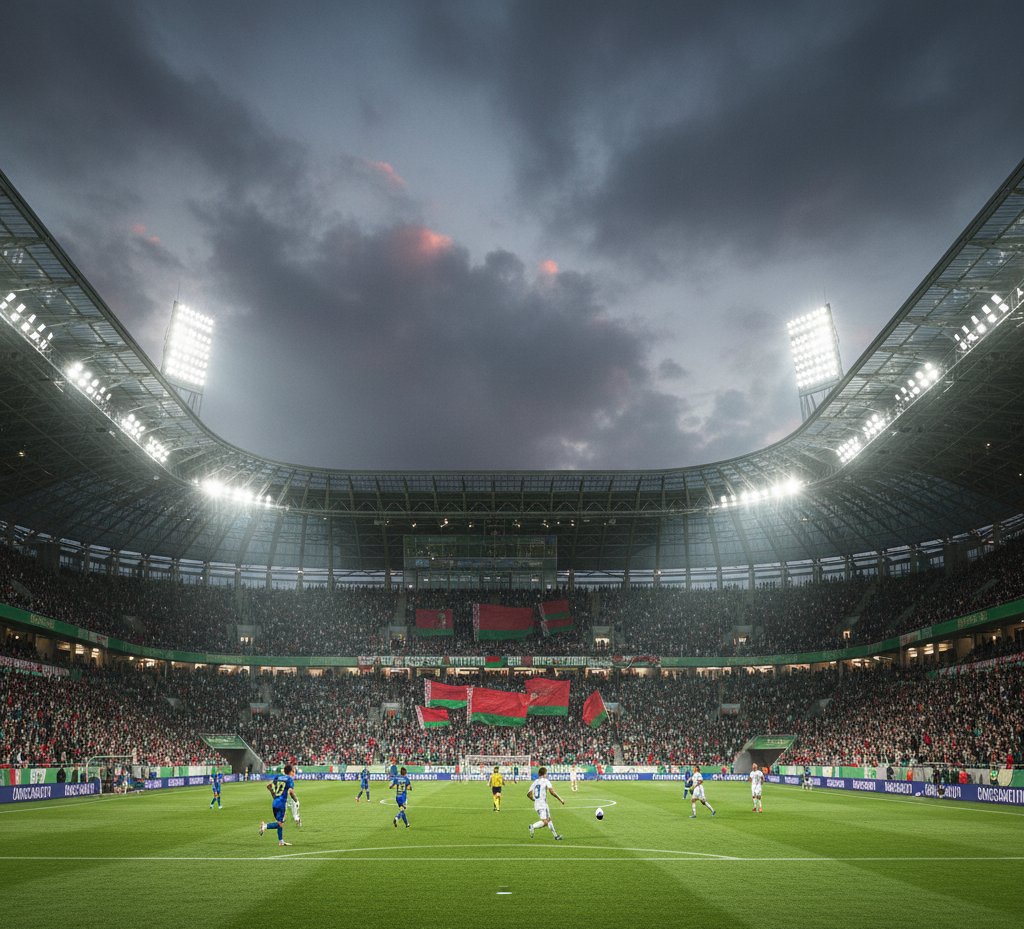
Football in Belarus might not enjoy the same global spotlight as leagues in England, Spain, or Germany, but within this Eastern European nation, the game holds a special place in the hearts of thousands. Belarusian football clubs have steadily evolved through decades of Soviet legacy, homegrown talent, and growing competitiveness. From the bustling stadiums of Minsk to smaller regional clubs fighting for recognition, Belarusian football is rich with history, rivalries, and ambition.
In this article, we’ll explore everything about Belarus football clubs—their history, top teams, structure, major players, and the spirit that keeps the beautiful game alive in the heart of Belarus.
A Brief History of Football in Belarus
Football was introduced to Belarus in the early 20th century during the Russian Empire’s reign. The sport quickly gained popularity, especially during the Soviet era, when Belarusian clubs competed in the USSR’s football leagues. After Belarus gained independence in 1991, it established its own national league system, giving birth to what we now know as the Belarusian Premier League (BPL).
The newly formed league became the country’s main competition, with clubs like Dinamo Minsk, BATE Borisov, and Shakhtyor Soligorsk becoming dominant forces. These teams helped shape the country’s footballing identity, nurturing local talent and representing Belarus in European competitions like the UEFA Champions League and Europa League.
The Structure of Belarusian Football
Belarusian football is organized under the Football Federation of Belarus (BFF). The system includes several divisions:
Belarusian Premier League (Vyšejšaja Liha) – Top professional division
First League – Second division featuring ambitious clubs looking for promotion
Second League – Third tier, often consisting of regional and developing teams
Regional Leagues & Youth Academies – Grassroots development hubs
The Belarusian Cup and Super Cup are also major competitions that involve clubs from different divisions, creating exciting matchups and opportunities for smaller teams to make history.
Top Belarus Football Clubs
Let’s take a closer look at some of the most notable and successful football clubs in Belarus that have shaped the national and European landscape.
1. FC BATE Borisov
No discussion about Belarusian football is complete without mentioning FC BATE Borisov. Founded in 1973 and re-established in 1996, BATE (Borisov Automobile and Tractor Electronics) has been the dominant powerhouse in Belarusian football for nearly two decades.
Key Achievements:
15+ Belarusian Premier League titles
Regular appearances in the UEFA Champions League group stages
Historic victories against European giants like Bayern Munich and AS Roma
BATE Borisov’s golden era under manager Viktor Goncharenko saw the club dominate domestically and gain international respect. Their modern stadium, Borisov Arena, is one of the most advanced football facilities in Eastern Europe.
2. FC Dinamo Minsk
Founded in 1927, Dinamo Minsk is the oldest and one of the most historic clubs in Belarus. During the Soviet period, Dinamo Minsk competed in the Soviet Top League and even won the Soviet Championship in 1982, a remarkable achievement for a Belarusian side.
Highlights:
Multiple-time Belarusian Premier League winner
Known for its strong youth academy and disciplined defensive style
Loyal fan base and iconic home ground – Dinamo Stadium, Minsk
Dinamo remains a symbol of tradition and resilience, representing Minsk’s sporting pride.
3. Shakhtyor Soligorsk
Based in the industrial town of Soligorsk, FC Shakhtyor Soligorsk (meaning “Miner”) has become one of the most consistent and competitive clubs in recent years. With significant investment and a talented squad, they’ve been serious contenders in the Belarusian Premier League.
Notable Facts:
Multiple league championships since 2005
Known for producing strong defensive teams
Regular participant in UEFA Europa League qualifiers
Shakhtyor’s focus on disciplined play and strategic signings has made them a tough rival for BATE Borisov and Dinamo Minsk.
4. FC Neman Grodno
Neman Grodno, based in the picturesque city of Grodno near the Polish border, is one of Belarus’s oldest and most beloved clubs. Although not as trophy-rich as others, Neman has a strong regional following and a reputation for passionate football.
Highlights:
Established in 1964
Belarusian Cup finalist multiple times
Youth development focus and loyal local fan support
Their home ground, Neman Stadium, often witnesses thrilling matches, showcasing the club’s fighting spirit.
5. FC Gomel
Founded in 1959, FC Gomel is another proud representative of Belarusian football. They’ve enjoyed success both domestically and in cup competitions.
Achievements:
Belarusian Premier League champions in 2003
Belarusian Cup winners
Notable performances in European qualifiers
FC Gomel stands as a strong symbol of regional football pride and resilience.
6. FC Torpedo-BelAZ Zhodino
Located in the city of Zhodino, Torpedo-BelAZ has grown into a respected mid-tier club that occasionally surprises bigger teams. Sponsored by the BelAZ heavy machinery manufacturer, the club has maintained financial stability and steady performances.
Key Points:
Belarusian Cup winners (2016)
Consistent Premier League competitor
Known for tough, counter-attacking football
7. FC Isloch Minsk Raion
A relatively young club, Isloch Minsk Raion was founded in 2007 but quickly rose through the divisions to reach the Premier League. The club is known for its attacking football and emphasis on youth.
Interesting Facts:
Based near the capital, giving it access to top talent
Rapid rise in Belarusian football
Strong social media presence and modern club management
8. FC Slavia Mozyr
Slavia Mozyr is a historic name from the city of Mozyr, known for its passionate fans and competitive spirit. Despite ups and downs, they’ve remained an essential part of Belarusian football heritage.
Achievements:
Two-time Belarusian Premier League champions (1996, 2000)
Focus on local player development
Regular contender in the First and Premier Leagues
Rising Clubs and Regional Passion
Beyond the top-tier teams, numerous smaller clubs like FC Vitebsk, FC Smorgon, FC Slutsk, and FC Lida play vital roles in nurturing local players and sustaining football culture in Belarus.
These clubs often act as stepping stones for young talents who dream of joining elite teams like BATE Borisov or Dinamo Minsk. The regional derbies, although less publicized internationally, are fierce and emotionally charged events that bring communities together.
Belarusian Football League: Style and Identity
Belarusian football is known for its physical, tactical, and disciplined style. Clubs emphasize teamwork, solid defense, and quick transitions. While flashy stars are rare, the focus on structured play and mental toughness is evident.
In recent years, more clubs have started integrating modern training methods, analytics, and international coaches to improve competitiveness. This evolution shows Belarus’s commitment to raising its football standards on the global stage.
Belarusian Clubs in European Competitions
Although Belarusian clubs face financial and competitive challenges compared to Western European teams, they have occasionally made headlines in Europe.
BATE Borisov reached the UEFA Champions League group stage multiple times, famously defeating Bayern Munich 3–1 in 2012.
Dinamo Minsk and Shakhtyor Soligorsk have also made respectable runs in the Europa League qualifiers.
These appearances have boosted Belarus’s football reputation and provided valuable experience for local players.
Football Culture and Fan Support in Belarus
Belarusian fans are deeply loyal and passionate. Major derbies like BATE Borisov vs. Dinamo Minsk often attract thousands of spectators, creating electric atmospheres. Despite challenges like harsh winters and political issues affecting sports, supporters remain dedicated to their local clubs.
Fans organize tifo displays, chants, and social media campaigns to promote their teams. Football is not just a sport—it’s a cultural bond that unites different generations and regions across Belarus.
Challenges Facing Belarus Football Clubs
While Belarusian football continues to grow, several challenges persist:
Financial Constraints – Limited sponsorship and TV revenue affect smaller clubs.
Infrastructure Gaps – Not all teams have access to modern training facilities.
Player Migration – Talented players often move abroad for better opportunities.
Limited International Exposure – Fewer chances to compete with elite European sides.
Despite these hurdles, Belarusian clubs are determined to strengthen their league and invest in youth academies to secure a brighter future.
The Future of Belarus Football Clubs
The next decade could be transformative for Belarusian football. With ongoing investments in stadiums, youth programs, and coaching development, the quality of domestic football is improving. More clubs are embracing digital engagement, analytics, and grassroots development, paving the way for long-term growth.
Fans and experts believe that if Belarus continues nurturing homegrown players and improving professionalism, it could soon produce another golden era—one that balances tradition with modern ambition.
Conclusion
Belarus football clubs may not yet rival the glamour of Europe’s biggest leagues, but their story is one of passion, resilience, and steady progress. From BATE Borisov’s European adventures to Dinamo Minsk’s historic legacy and Shakhtyor Soligorsk’s rising power, the clubs of Belarus embody the country’s fighting spirit.
For football lovers seeking authenticity, loyalty, and unfiltered passion, Belarus offers a unique and underrated football culture. Whether you’re watching a packed derby in Minsk or a grassroots match in Grodno, the love for the game is unmistakable — and it’s only getting stronger.