
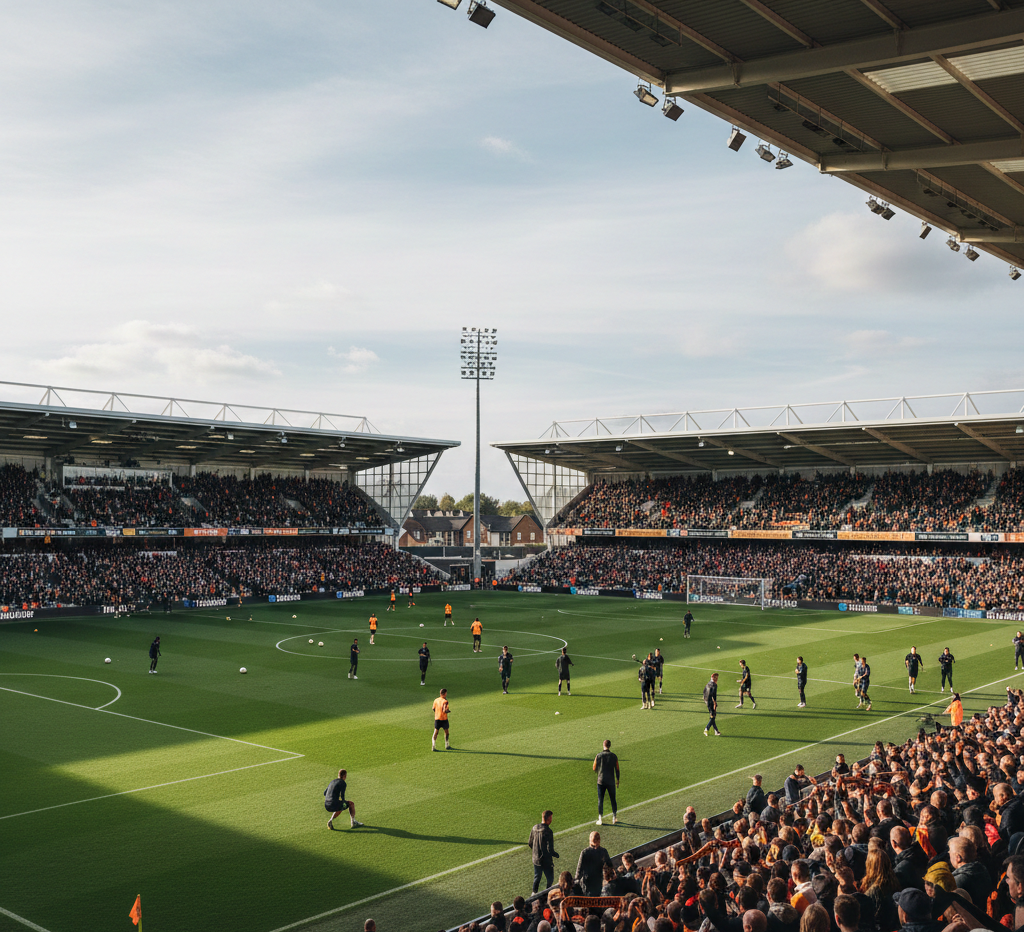
Barnet Football Club Stadium, widely known as The Hive Stadium, is one of the most modern and well-structured football venues in non-league English football. Located in Canons Park, North London, the stadium has become a symbol of ambition, resilience, and forward planning for Barnet Football Club. Since its opening, The Hive has played a crucial role in reshaping the club’s identity, matchday experience, and long-term future.
This in-depth article explores everything about Barnet Football Club Stadium — its history, development, facilities, seating, fan experience, and its importance to both the club and the local community.
Introduction to Barnet Football Club Stadium
Barnet Football Club is a historic English football club with roots dating back to the late 19th century. Over the decades, the club has competed across multiple tiers of English football, earning a loyal fanbase. The move to The Hive Stadium marked a significant chapter in the club’s journey, reflecting a desire for sustainability, modernization, and growth.
The Hive Stadium is more than just a football ground. It is a multi-purpose sports complex designed to serve players, supporters, and the surrounding community.
History of Barnet Football Club Stadium
From Underhill to The Hive
For many years, Barnet FC played their home matches at Underhill Stadium, a traditional football ground that held deep sentimental value for supporters. However, issues related to ownership, safety standards, and redevelopment restrictions made it increasingly difficult for the club to remain there.
As a result, Barnet FC began searching for a long-term solution that would secure the club’s future. This led to the development of The Hive Stadium.
Opening of The Hive Stadium
The Hive Stadium officially opened in 2013, becoming the new home of Barnet Football Club. The stadium was part of a wider sports complex known as The Hive London, which includes training pitches, indoor facilities, and community sports areas.
The move was initially met with mixed reactions from fans, but over time, the stadium has earned respect for its quality, accessibility, and professional environment.
Location and Accessibility
Where Is The Hive Stadium Located?
Barnet Football Club Stadium is located in Canons Park, North West London. Although it is slightly outside the traditional Barnet borough, the location offers excellent transport links and modern infrastructure.
Transport Links
The stadium is easily accessible by:
London Underground (Jubilee Line to Canons Park Station)
Bus services connecting nearby boroughs
Road access with parking facilities available on matchdays
The convenient location makes The Hive Stadium a practical destination for both home and away supporters.
Stadium Design and Architecture
Modern and Functional Layout
The Hive Stadium was designed with functionality and efficiency in mind. Unlike older grounds with restricted views, the stadium offers:
Clear sightlines from every seat
Compact design that keeps fans close to the pitch
High-quality playing surface suitable for professional football
Stadium Capacity
The stadium has an approximate capacity of 5,000 spectators, making it ideal for National League football and other competitions. The size ensures an intimate atmosphere while meeting league standards.
Seating and Stands at The Hive Stadium
Main Stand
The Main Stand houses:
Executive seating
Media facilities
Club offices
Changing rooms
This stand is the heart of stadium operations and provides excellent views of the pitch.
North and South Stands
These stands are primarily used for:
Home supporters
Family seating
Community groups
They contribute to a lively yet comfortable matchday atmosphere.
Away Supporters Section
The Hive Stadium includes a designated area for away fans, ensuring safety and compliance with league regulations. Visiting supporters benefit from good visibility and modern amenities.
Pitch Quality and Playing Surface
One of the standout features of Barnet Football Club Stadium is its high-quality pitch. Maintained to professional standards, the surface allows for fast, technical football.
Key features include:
Excellent drainage system
Consistent grass quality
Year-round maintenance
The pitch quality has been praised by players, coaches, and visiting teams alike.
Training and Sports Facilities
The Hive London Sports Complex
The stadium is part of a larger complex that includes:
Multiple outdoor training pitches
Indoor sports hall
Fitness and conditioning areas
Youth development facilities
These resources allow Barnet FC to operate a comprehensive football program from grassroots to first team level.
Academy and Youth Development
The stadium and training complex play a vital role in nurturing young talent. Barnet FC’s academy uses The Hive facilities to develop players in a professional environment.
Matchday Experience for Fans
Atmosphere and Comfort
The Hive Stadium offers a clean, modern, and organized matchday experience. Fans benefit from:
Comfortable seating
Clear signage
Friendly stewarding
Good acoustics for crowd noise
While smaller than traditional league stadiums, The Hive creates a focused and engaging football atmosphere.
Food and Refreshments
Concession areas within the stadium provide:
Hot and cold food options
Beverages
Matchday snacks
These facilities enhance the overall experience for families and regular supporters.
Community Role of Barnet Football Club Stadium
Community Engagement
The Hive Stadium is not just for professional football. It hosts:
Local football leagues
School tournaments
Community events
Fitness programs
Barnet FC uses the stadium as a hub for social engagement and sports participation.
Grassroots Football Support
The stadium and its surrounding pitches are frequently used by grassroots teams, helping to promote football development at local level.
Hosting Other Events
In addition to Barnet FC matches, The Hive Stadium has hosted:
Women’s football matches
Youth tournaments
Non-league cup fixtures
Training camps
Its adaptable design allows for a wide range of sporting activities.
Importance of The Hive Stadium to Barnet FC
Financial Stability
Owning and operating a modern stadium has given Barnet FC:
Greater financial control
Additional revenue streams
Long-term sustainability
This stability is essential for clubs outside the Premier League.
Club Identity and Future Vision
The Hive Stadium represents Barnet FC’s ambition to:
Compete at higher levels
Develop young players
Build a stronger fanbase
Maintain professional standards
It is a foundation for the club’s future growth.
Fan Opinions and Evolution Over Time
While the move away from Underhill was emotionally difficult for some supporters, many fans now recognize the benefits of The Hive Stadium. Improved facilities, safety, and comfort have gradually won acceptance.
As the club continues to evolve, the stadium remains central to its long-term strategy.
Comparison With Other Non-League Stadiums
Compared to many National League grounds, Barnet Football Club Stadium stands out for:
Modern infrastructure
Training integration
Pitch quality
Accessibility
It sets a benchmark for how non-league clubs can operate professionally.
Future Development Plans
Although already well-equipped, The Hive Stadium may see further improvements in:
Seating expansion
Fan amenities
Technology integration
Matchday entertainment
Such developments would enhance its reputation even further.
Conclusion
Barnet Football Club Stadium, known as The Hive Stadium, is a modern, functional, and forward-thinking football venue. It reflects Barnet FC’s commitment to professionalism, sustainability, and community engagement. From its excellent pitch and seating to its role as a sports hub, the stadium plays a vital role in the club’s identity and ambitions.
As Barnet Football Club continues its journey through English football, The Hive Stadium stands as a strong foundation — a place where tradition meets progress and where the future of the club continues to take shape.