
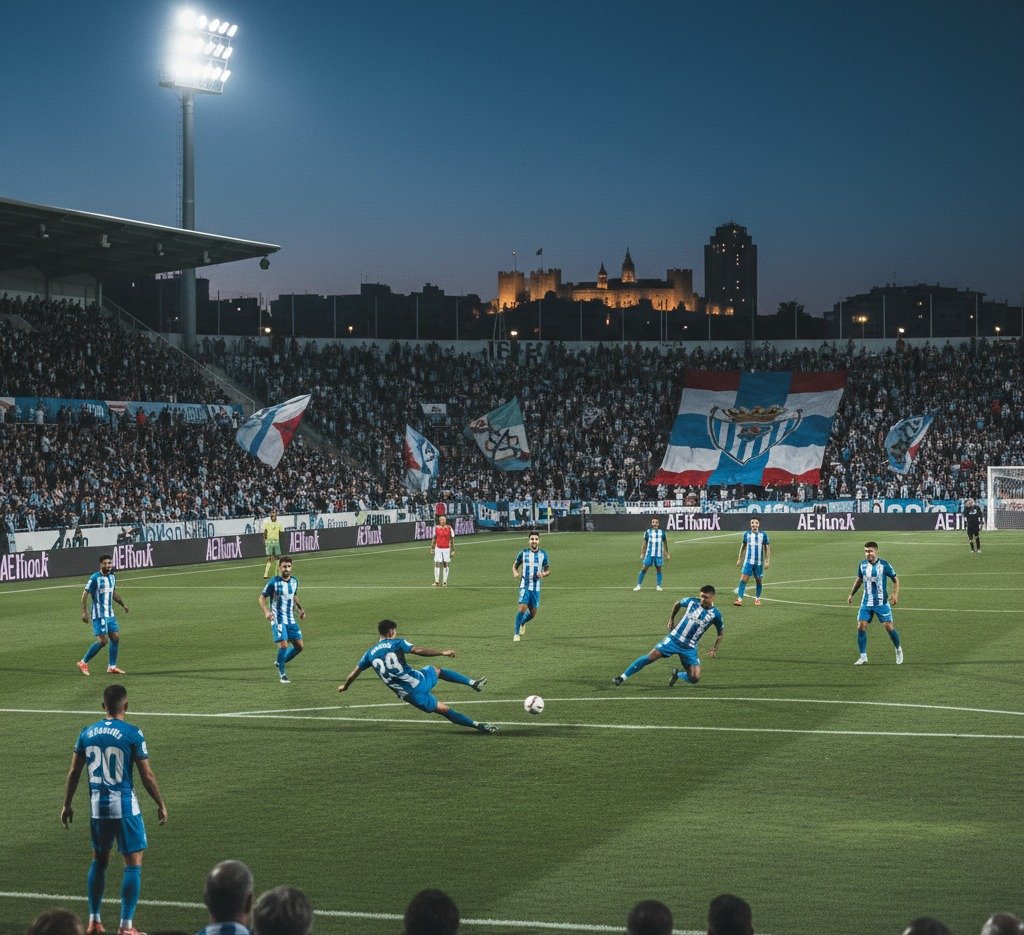
Alicante Football Club, historically known as Alicante Club de Fútbol, was one of Spain’s most enduring football institutions. Founded in 1918, the club represented the city of Alicante for nearly a century, building a proud legacy in Spanish football. Known for its dedication to local talent, strong community ties, and competitive spirit, Alicante CF became a symbol of regional identity and football culture.
Early History and Formation
Alicante CF was established by a group of football enthusiasts who sought to formalize the sport in the city. Initially, the club competed in friendly matches and local competitions, laying the foundation for organized football in Alicante. These early years were marked by enthusiasm, passion, and a commitment to building a footballing culture in the region.
By the 1920s, the club had joined regional leagues, allowing it to participate in structured competitions. These early achievements helped Alicante CF cultivate a loyal fanbase and establish its identity within the Valencian football scene. Despite limited financial resources, the club’s focus on teamwork, community, and perseverance set the tone for decades to come.
Rise Through the Spanish Football System
Early Segunda División Experiences
Alicante CF spent much of its early history in regional leagues and the lower tiers of Spanish football. The club first entered the Segunda División (second tier) shortly after the Spanish Civil War. These appearances, though brief, were pivotal in shaping the club’s competitive identity.
During the 1950s, Alicante CF had further stints in the Segunda División. Competing against well-established and financially stronger teams was challenging, but these experiences forged a culture of resilience and determination that would define the club’s character for generations.
Golden Era in the 2000s
The early 2000s were among the most successful periods in Alicante CF’s history. Competing in Segunda División B, the club frequently challenged for top positions and playoff opportunities. Through strong management, strategic recruitment, and a disciplined approach to training, Alicante CF became a respected competitor at this level.
The pinnacle of this era came during the 2007–08 season, when Alicante CF achieved promotion to the Segunda División. This milestone was celebrated across the city, reflecting the culmination of decades of hard work and community support. It was a historic achievement, marking Alicante CF’s return to professional football prominence.
Challenges in the Segunda División
The 2008–09 season in the Segunda División tested the club’s resources and capabilities. Competing at a higher level brought exposure and prestige, but it also revealed financial and competitive challenges. The club struggled to maintain its league position and was relegated at the end of the season.
This period highlighted the difficulties faced by smaller clubs in professional leagues, where financial pressures and player retention can significantly impact performance. Despite these challenges, Alicante CF maintained the loyalty of its fans and continued to focus on player development and community engagement.
Financial Struggles and Decline
Following relegation, Alicante CF faced significant financial difficulties. Unpaid wages, mounting debts, and limited revenue streams created instability. The club’s performance declined, and relegations followed, pushing the team further down the football pyramid.
By 2014, after nearly a century of history, Alicante CF was officially dissolved. This marked the end of an era for the city and left a profound impact on its supporters. Despite this, the legacy of the club continues to influence football culture in Alicante.
Legacy and Successor Club
Though Alicante CF no longer exists, its spirit lives on through CFI Alicante, a successor club founded to continue the city’s football tradition. CFI Alicante adopted the traditional colors and ethos of Alicante CF and focuses on developing local talent, competing in regional leagues, and engaging with the community.
Through CFI Alicante, the values of teamwork, perseverance, and community pride remain central to football in the city. The legacy of Alicante CF continues to inspire young players and fans alike.
Stadiums and Home Grounds
Alicante CF played its home matches at Estadio Alicante CF, a modest ground that served as a hub for local supporters. During higher-level campaigns, such as Segunda División seasons, the club also played at Estadio José Rico Pérez, which provided larger capacity and professional facilities.
These stadiums were central to the club’s identity, creating spaces for fans to unite, celebrate victories, and share their passion for football. The atmosphere at these matches strengthened community bonds and reinforced the club’s cultural significance.
Club Identity and Culture
Alicante CF was affectionately known as Los Celestes (The Sky Blues) due to its iconic colors. The club’s identity represented ambition, resilience, and regional pride. Matches were more than sporting events—they were community gatherings where families, friends, and neighbors shared in the joys and heartbreaks of football.
The club’s culture emphasized youth development, fair play, and dedication. Many local players began their careers at Alicante CF, reflecting the club’s commitment to nurturing talent and promoting football as a tool for personal growth and community engagement.
Notable Players and Coaches
Throughout its history, Alicante CF hosted many talented players and coaches who left a lasting mark on Spanish football. Some advanced to higher divisions, while others became local legends for their contributions to the club.
Youth development was a cornerstone of the club, enabling young athletes to gain competitive experience and progress in their football careers. This emphasis on homegrown talent reinforced Alicante CF’s identity as a club rooted in the community.
Community Impact
Alicante CF was more than a football team; it was a pillar of local culture. The club inspired civic pride, fostered social cohesion, and provided opportunities for youth engagement. Even after its dissolution, the memories of historic matches, promotions, and intense rivalries continue to resonate among fans.
The establishment of CFI Alicante ensures that this legacy endures. By continuing to compete and engage with the community, the spirit of Alicante CF remains alive, preserving its cultural and sporting influence.
Conclusion
Alicante Football Club’s history is one of resilience, ambition, and community pride. From its founding in 1918 to its dissolution in 2014, the club represented the passion and dedication of Alicante’s football fans.
Although it no longer competes, Alicante CF’s legacy lives on through CFI Alicante and the memories cherished by generations of supporters. Its story is a testament to the enduring power of sport to unite communities, inspire young athletes, and create lasting cultural impact.