
Introduction
In Qatar’s lively football scene, few clubs shine as brightly as Al Gharafa Football Club. Known for its yellow and blue colors, this team represents passion, pride, and tradition. The Cheetahs, as fans call them, have built a strong name in the Qatar Stars League (QSL).
From historic wins to loyal supporters, Al Gharafa continues to inspire new generations of football lovers. Let’s explore the club’s journey, achievements, and what makes it one of Qatar’s most respected football teams.
The Beginning of Al Gharafa Football Club
Early Days
Al Gharafa Football Club was founded in 1979 under the name Al Ittihad Sports Club. At first, the club faced challenges, but strong community support kept it growing.
In 2004, the club changed its name to Al Gharafa Sports Club. The new name connected it with the Al Gharafa district in Doha. This change marked a fresh start and a promise to aim higher in Qatari football.
A Golden Era of Success
Climbing to the Top
Al Gharafa’s real rise began in the late 1990s and 2000s. During these years, the club became one of the strongest teams in the Qatar Stars League. Their exciting style of play — fast, skillful, and attacking — won over fans across the country.
Under smart management and strong leadership, the team lifted many trophies and became a symbol of football excellence in Qatar.
Major Titles and Achievements
Over the years, Al Gharafa Football Club has collected an impressive number of titles:
Qatar Stars League: 7 wins
Emir of Qatar Cup: 7 wins
Crown Prince Cup: 3 wins
Sheikh Jassim Cup: 2 wins
These victories show how consistent and determined the club has been across generations.
Making a Mark in Asia
AFC Champions League Journey
Al Gharafa has proudly represented Qatar in the AFC Champions League, Asia’s biggest club competition. Their best performance came in 2010, when they reached the quarterfinals.
That year, they faced Al Hilal of Saudi Arabia in a dramatic two-legged tie. Though they narrowly missed the semifinals, their performance proved that Al Gharafa could stand among Asia’s best.
The Home of the Cheetahs: Thani bin Jassim Stadium
The Thani bin Jassim Stadium, also known as Al Gharafa Stadium, is the club’s home ground. With room for around 25,000 fans, it’s one of Doha’s most famous stadiums.
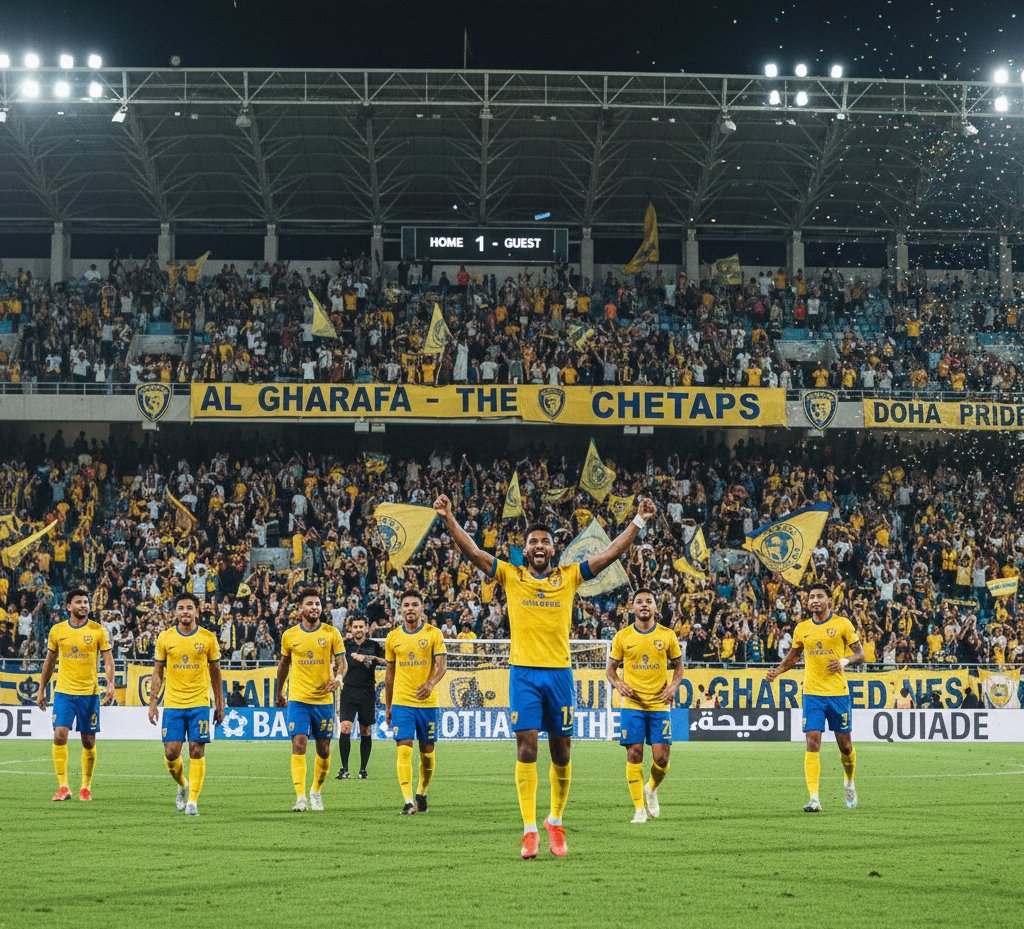
Modern, comfortable, and full of life on matchdays, the stadium hosts both domestic and international games. Fans fill the stands with yellow and blue, creating an unforgettable energy every time Al Gharafa plays.
Why They’re Called “The Cheetahs”
Fans call Al Gharafa players “The Cheetahs.” The nickname fits perfectly. Like a cheetah, the team is known for speed, agility, and precision. This identity reflects the club’s spirit — always quick, sharp, and hungry for victory.
Focus on Youth and Development
Building the Future
One thing that sets Al Gharafa apart is its focus on youth development. The club invests in football academies that train and mentor young players. Many of these athletes have gone on to join the Qatar national team.
By working with programs like the Aspire Academy, Al Gharafa helps build Qatar’s future football stars. This long-term approach ensures a strong foundation for years to come.
Famous Players Who Made an Impact
Al Gharafa has seen many talented players wear its colors. Some of the most famous include:
Clemerson de Araújo Soares (Brazil): A striker who scored goals with ease and thrilled fans.
Younis Mahmoud (Iraq): One of Asia’s best forwards, known for leadership and power.
Lawrence Quaye (Ghana/Qatar): A key midfielder who brought balance and vision.
Farid Talhaoui (Morocco): A creative playmaker who made the team’s attack stronger.
Wesley Sneijder (Netherlands): The former Real Madrid and Inter Milan star brought world-class experience to Qatar.
These players helped raise the club’s profile both at home and abroad.
Al Gharafa’s Role in Qatar’s Football Vision
Qatar’s rise as a global football nation owes much to clubs like Al Gharafa. The club supports Qatar’s Vision 2030, which promotes sports, education, and youth engagement.
By organizing community events, football camps, and training programs, Al Gharafa plays a major part in developing Qatari talent. Its mission goes beyond winning; it’s about shaping a strong and united sports culture.
Fans and Community Connection
No club can grow without its fans — and Al Gharafa’s supporters are among the most passionate in Qatar. On matchdays, they fill the stands with songs, chants, and colorful flags. Their love for the club adds life to every game.
The team also stays active off the field, organizing charity events, school visits, and fan meetings. These efforts build trust and keep the connection between club and community strong.
Current Team and Management
Today, Al Gharafa Football Club combines young Qatari players with experienced internationals. The management focuses on improving tactics, fitness, and teamwork.
With modern coaching techniques and smart recruitment, the club aims to return to the top of the Qatar Stars League standings. The future looks bright as the Cheetahs continue their chase for glory.
Looking Ahead: The Future of Al Gharafa
Al Gharafa’s future goals are clear and ambitious:
Grow its youth academy and scouting system
Strengthen its digital and fan engagement
Upgrade training and stadium facilities
Compete regularly in AFC competitions
Win more league and cup titles
With strong leadership and loyal fans, Al Gharafa is ready for another exciting chapter in its football story.
Conclusion
For over four decades, Al Gharafa Football Club has stood for excellence, loyalty, and pride. From its humble beginnings in 1979 to becoming a powerhouse in Qatari football, the club’s journey is truly inspiring.
Known as The Cheetahs, the team continues to blend talent, energy, and passion to make Qatar proud. Whether on home soil or across Asia, Al Gharafa remains one of the strongest names in football.
With a clear vision and a devoted fan base, Al Gharafa Football Club will keep running fast — just like the cheetah it represents — chasing new victories and writing more glorious chapters in Qatar’s football history.